
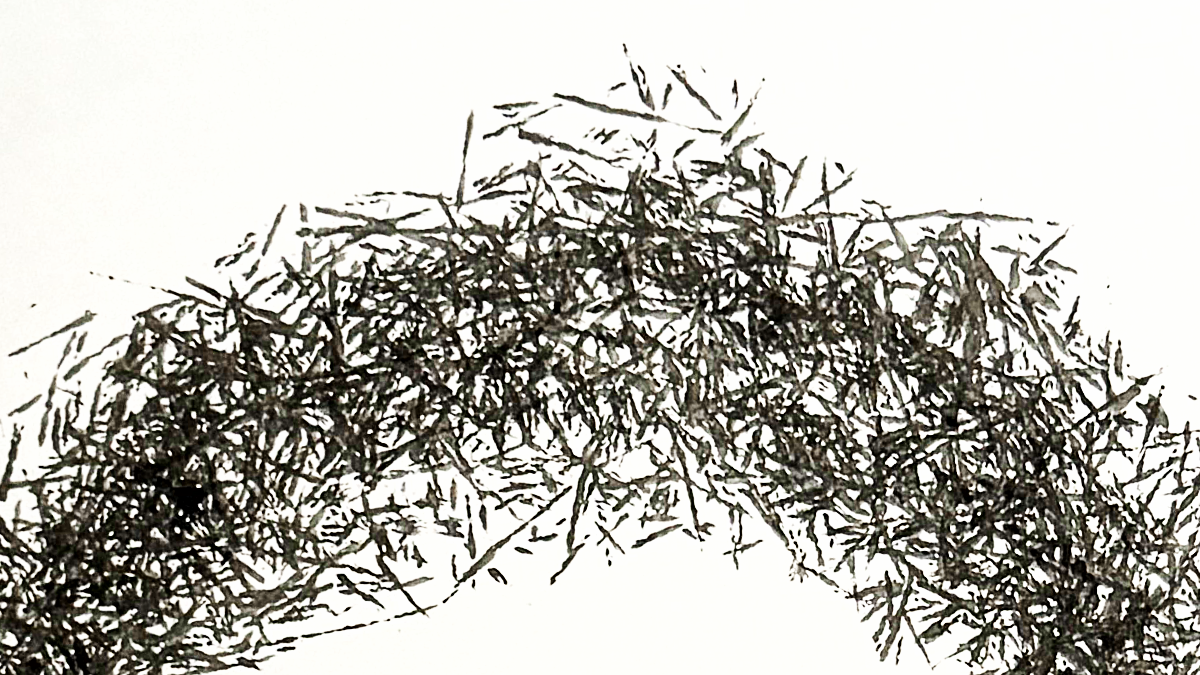
Why people lose their creative identity after life changes
Reclaiming Creative Identity
Establish a new relationship to creativity that reflects your current life.
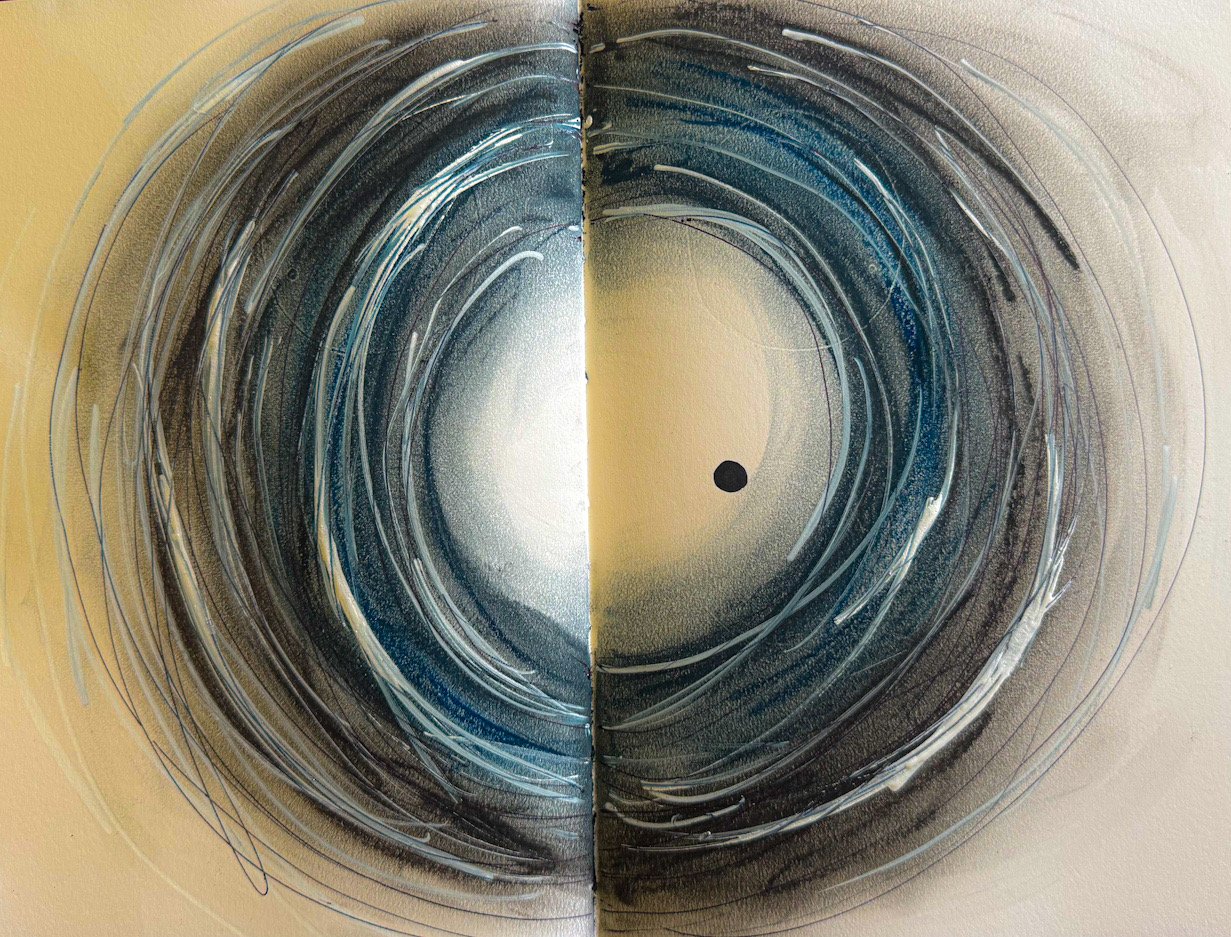
Channelling Intuition: Trusting a Deeper Way of Knowing
Thought is reactive by nature. It draws heavily on memory, fear, and prediction. Intuition, by contrast, emerges from presence. It is not concerned with defending an identity or proving a point. It simply recognises what is aligned in the moment.
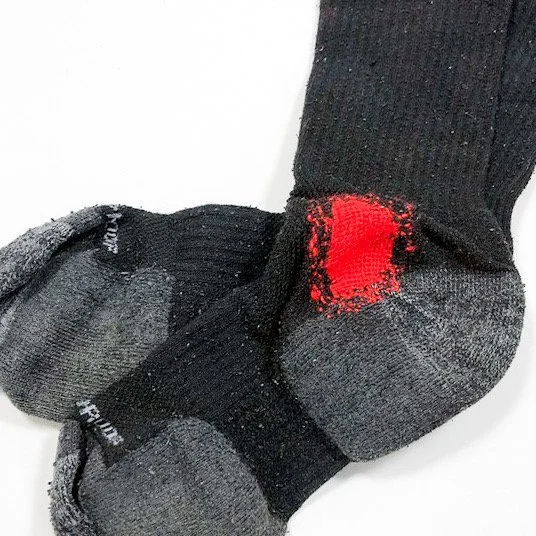
Repair as Remembrance: Mending Socks, Holding Memory
Repairing the socks was a quiet act. There was no attempt to hide the damage or erase what had happened to them. The repair acknowledged use, time, and wear. It also acknowledged loss. The act of stitching was slow and attentive, a form of care that extended the life of the object while respecting its history.
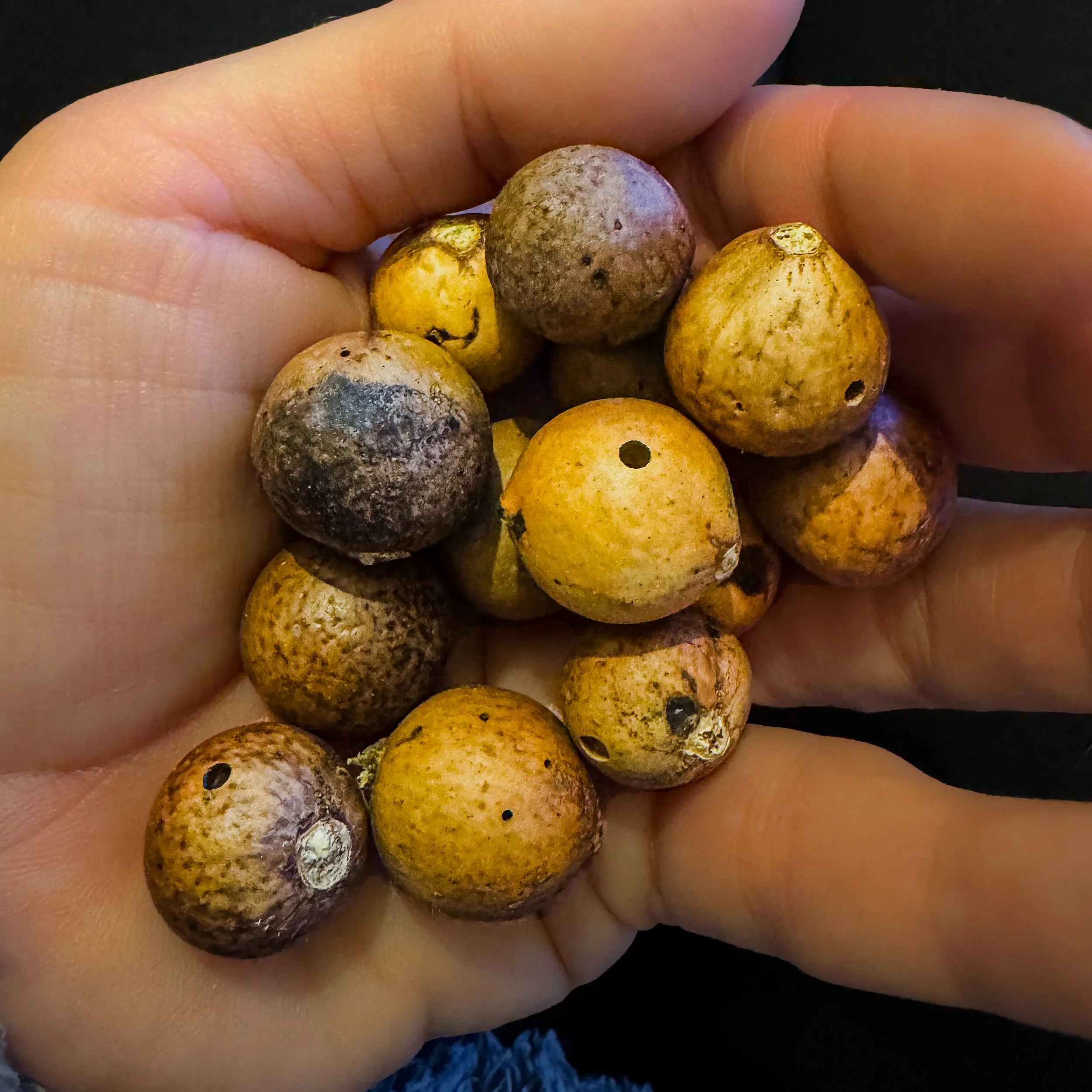
Oak Gall Ink Making on New Year’s Eve
Making oak gall ink on new years eve.
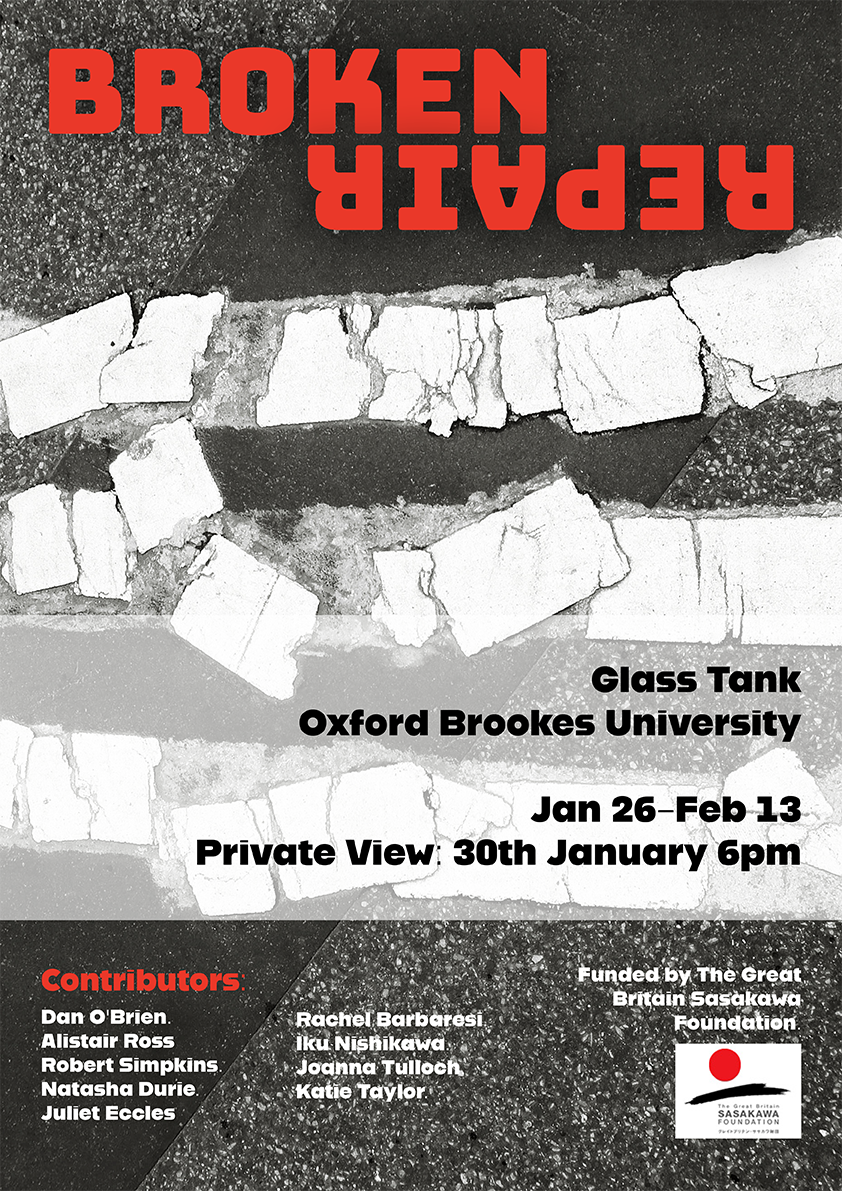
Brokenness and repair
Inspired by the sublime beauty of techniques of visual repair across cultures, these works invite reflection on brokenness and why it matters.
The exhibition includes original works from Rob Simpkins, Katie Taylor, Johanna Tulloch, Dan O'Brien, Natasha Durie, Juliet Eccles, and Rachel Barbaresi, as well as kintsugi pieces by Iku Nishikawa (Oxford Kintsugi).
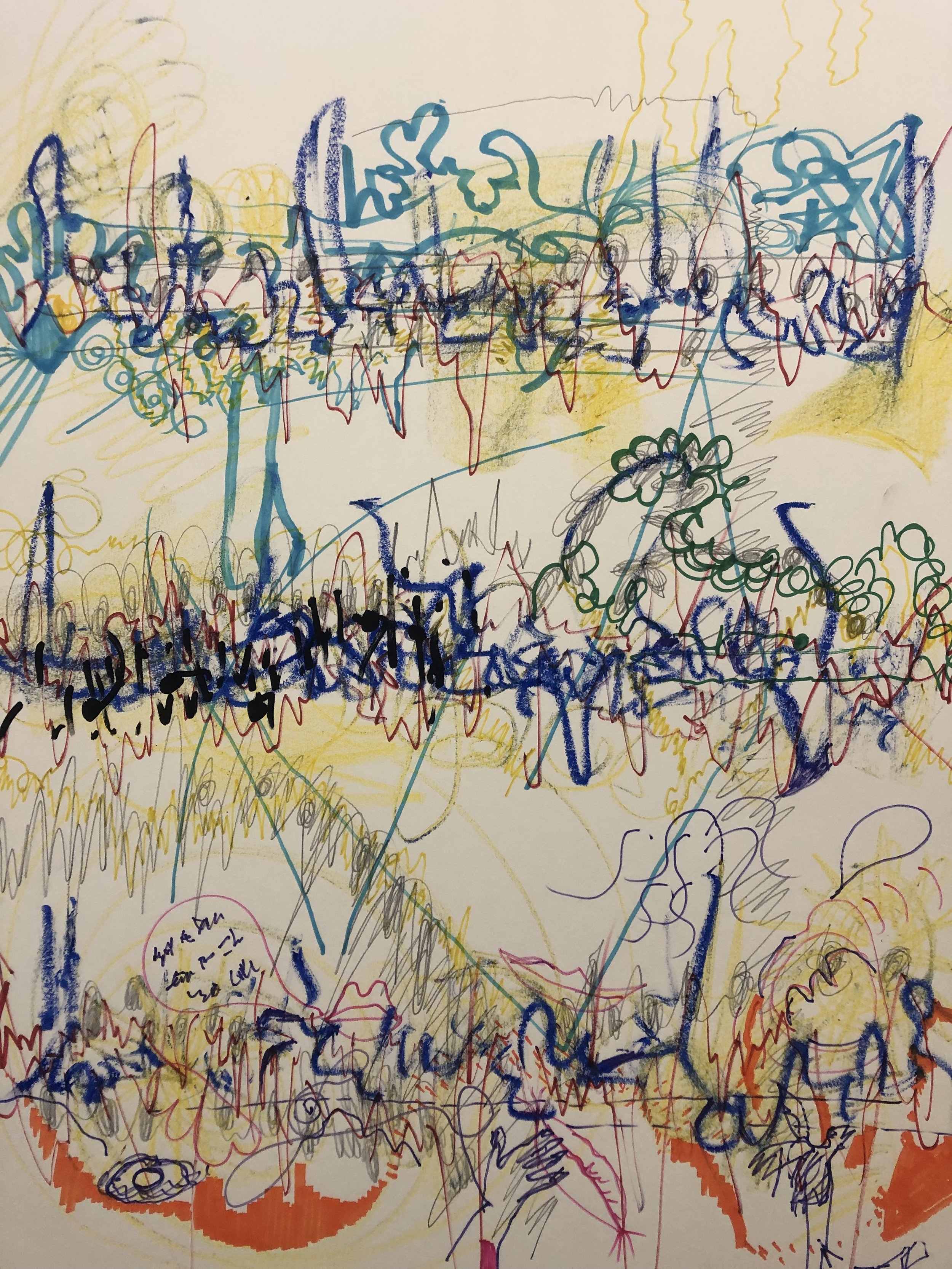
The Quiet Power of Making — Why Art Matters Most When You’re Struggling
A growing body of research now shows that simply making art, irrespective of skill or “talent” can relieve stress, cultivate emotional resilience, and create a gentle sense of connection with oneself.
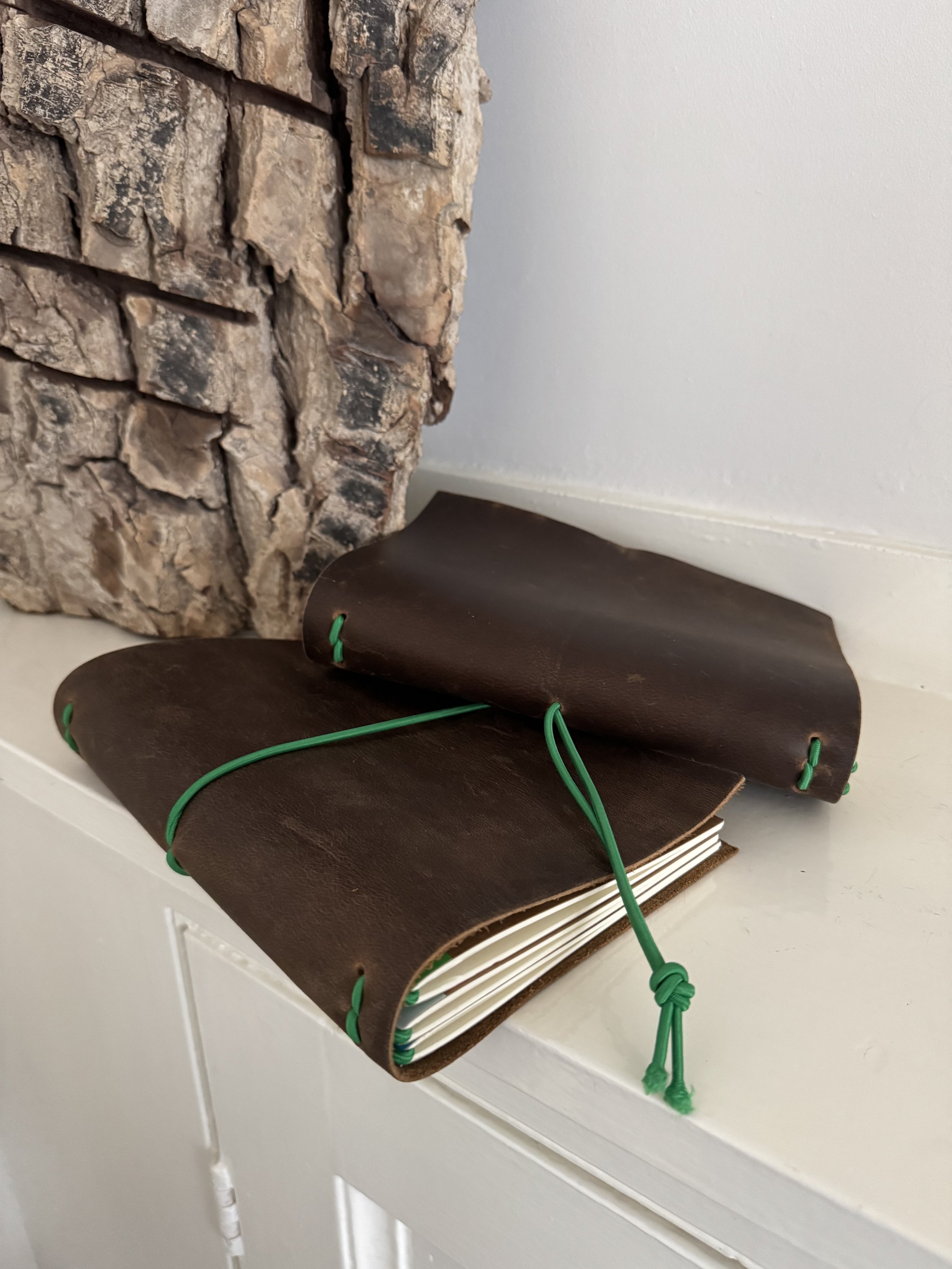
The Creative Way: Why Journaling Matters More Than Ever
Journaling has resurfaced—again—as one of the most reliable ways to navigate uncertainty, clarify intention, and reconnect with creativity. Whether you identify as an artist or simply someone moving through a significant life transition, the act of writing things down offers a structure for inner clarity that thinking alone cannot provide.
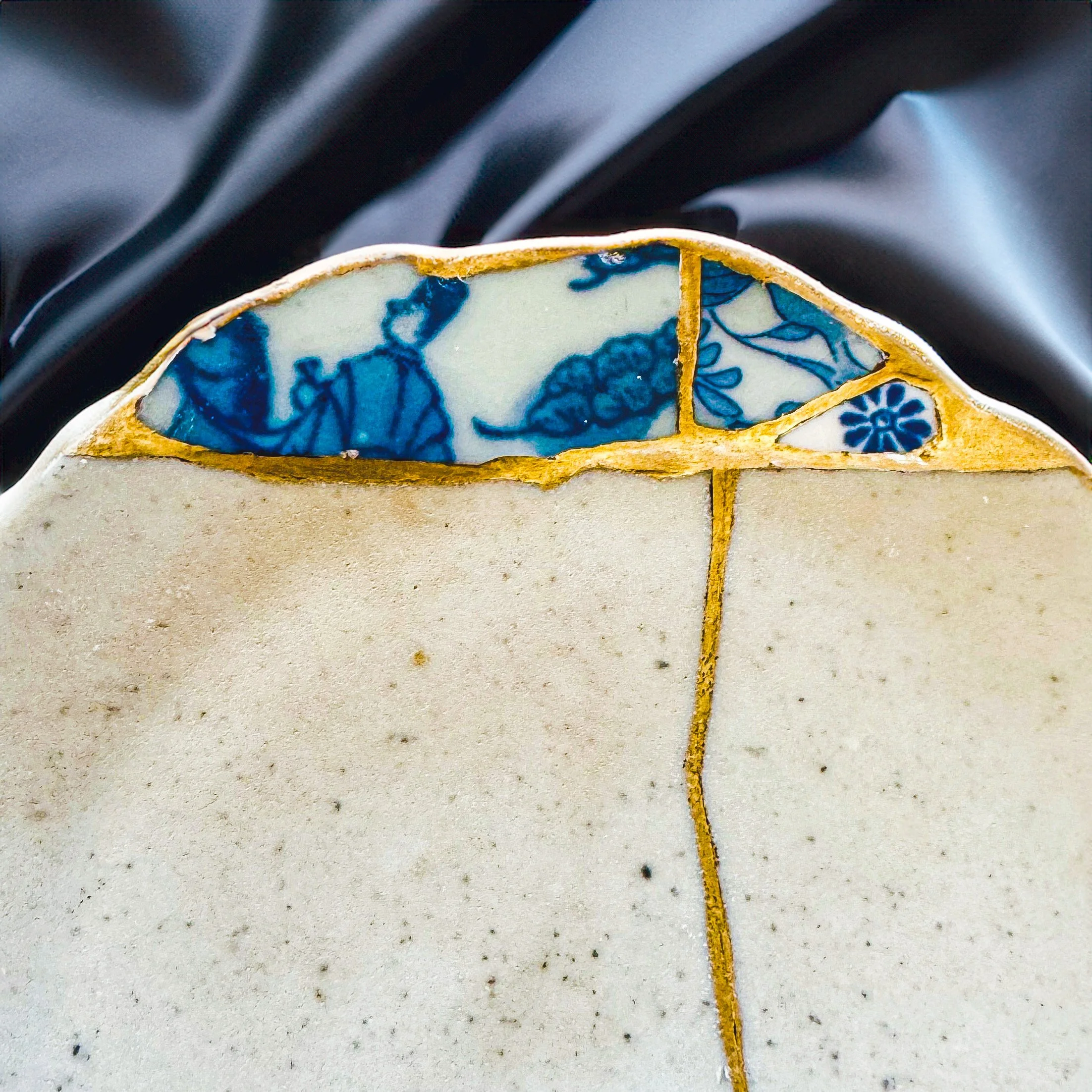
Brokenness, Repair, and the Art of Living
In December, I had the privilege of sitting down with anthropologist Dr Iza Kavedžija for a conversational podcast on brokenness and repair
Why I Started Shifting States
There are times in life when the ground shifts beneath us.
Moments when the familiar becomes fragile, and we’re left searching for something steady to hold onto.
