
The Quiet Power of Making — Why Art Matters Most When You’re Struggling
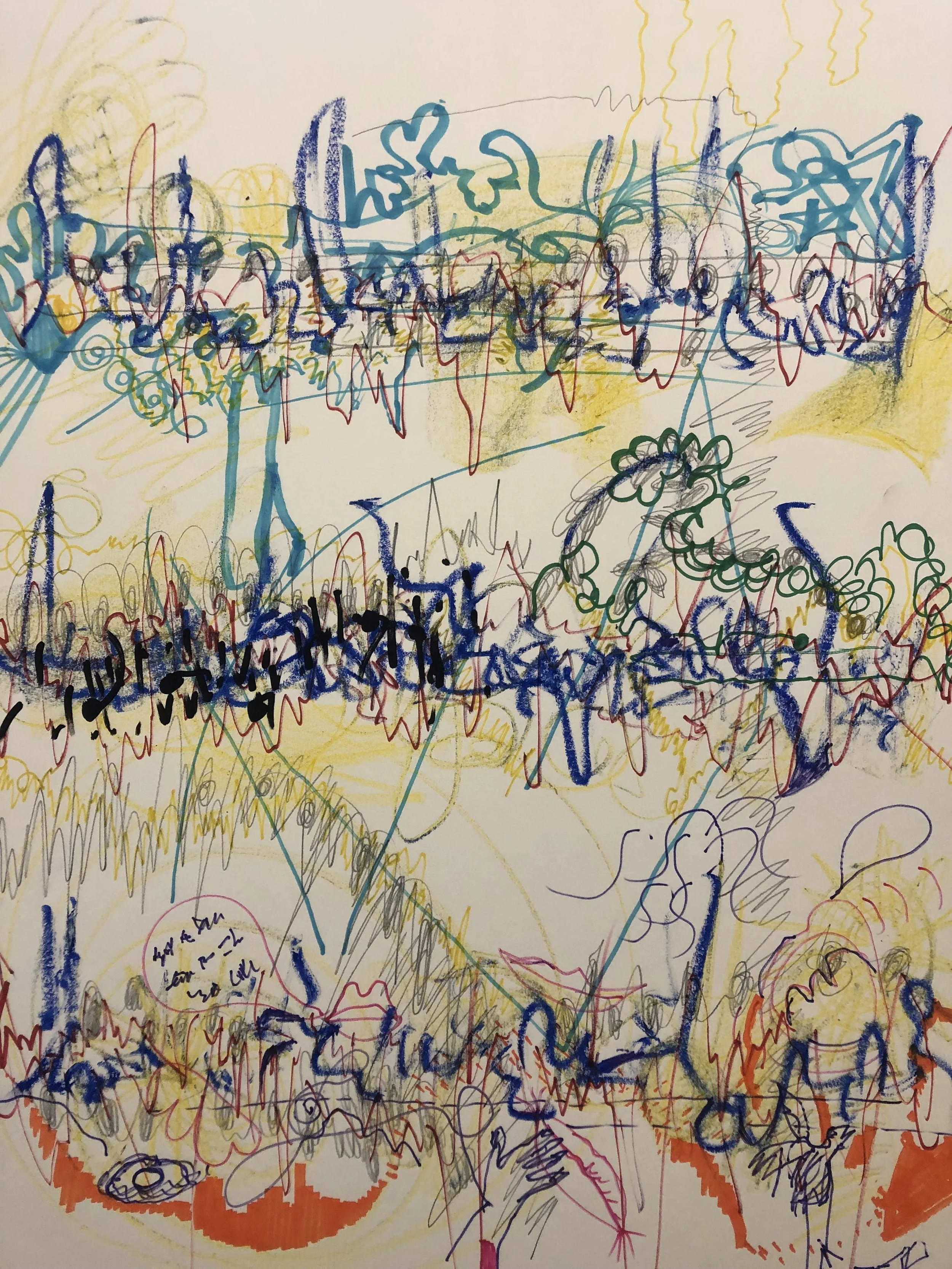
When life feels overwhelming, pressure building at work or home, emotional upheaval, uncertainty, loss — art can offer something deeply human: a way to feel before you define; to release before you resolve. A growing body of research now shows that simply making art, irrespective of skill or “talent” can relieve stress, cultivate emotional resilience, and create a gentle sense of connection with oneself.
What Research Tells Us
A recent study looking at stress and art-making found that art-making significantly reduces stress levels among participants.
Research has demonstrated that even brief creative sessions, drawing, painting, doodling, result in lowered levels of the stress hormone cortisol.
More broadly, the practice of art (within more formal therapeutic settings, or informally at home) is strongly associated with improved mood, emotional regulation, increased self-awareness, and a reinforced sense of meaning or agency.
In other words: making art isn’t only about “creating a good painting.” It is a process that engages body, mind and feelings, often in ways language alone cannot.
Why the Outcome Doesn’t Matter — the Process Does
One of the most liberating aspects of using art during these momnents is that there is no need to be “good” at it. The therapeutic value lies not in producing a masterpiece, but in giving yourself a container for whatever is inside.
The act of mark-making allows emotions, anger, sadness, confusion, exhaustion, to move.
The physicality of brush on paper, pen on page, ink leaking into water: these gestures can feel like escape, release, grounding.
Even if the result looks messy, chaotic, or unfinished: that doesn’t matter. What matters is that you showed up, you allowed yourself to feel, to act, to exist in that moment.
You may surprise yourself. A dull scribble born of frustration might evolve into something you recognise as an expression, not of skill, but of truth.
When Different Stresses Call for Different Creative Responses
Depending on how you feel, different creative modes can help:
Feeling angry, raw, restless? Try scribbling — let lines scratch and burst; or use charcoal, pencil, ink, whatever allows quick and intuitive mark-making.
Feeling overwhelmed, fragmented, anxious? Try slow techniques, watercolour, ink with water, soft washes; let the fluidity calm you.
Feeling numb or stuck? Doodling or simple repetitive patterns (circles, lines, waves) can help draw you gently into a meditative rhythm.
None of this requires pre-existing skill or training — only time, space, and permission to do it.
Conclusion — Art as a Gentle Anchor
In a world that often demands productivity, clarity, perfection, it’s easy to forget that creativity doesn’t have to produce something “good” to be good for you.
Art-making offers a unique, embodied way to cope with stress: to move what’s inside out; to breathe when words fail; to find grounding in movement, colour, texture. It’s not a solution in the sense of “fixing” everything, but it can be a deeply human way to stay present, to process, and to heal.
If you’re under pressure, in transition, or simply carrying more than you can name, consider picking up a pencil, ink, brush, or whatever feels close at hand. Let your hand move. Let the marks happen. And if you ever feel you’d like more support, a one-to-one session, creative, reflective, held, might be just as valuable as any conversation.
