
Repair as Remembrance: Mending Socks, Holding Memory
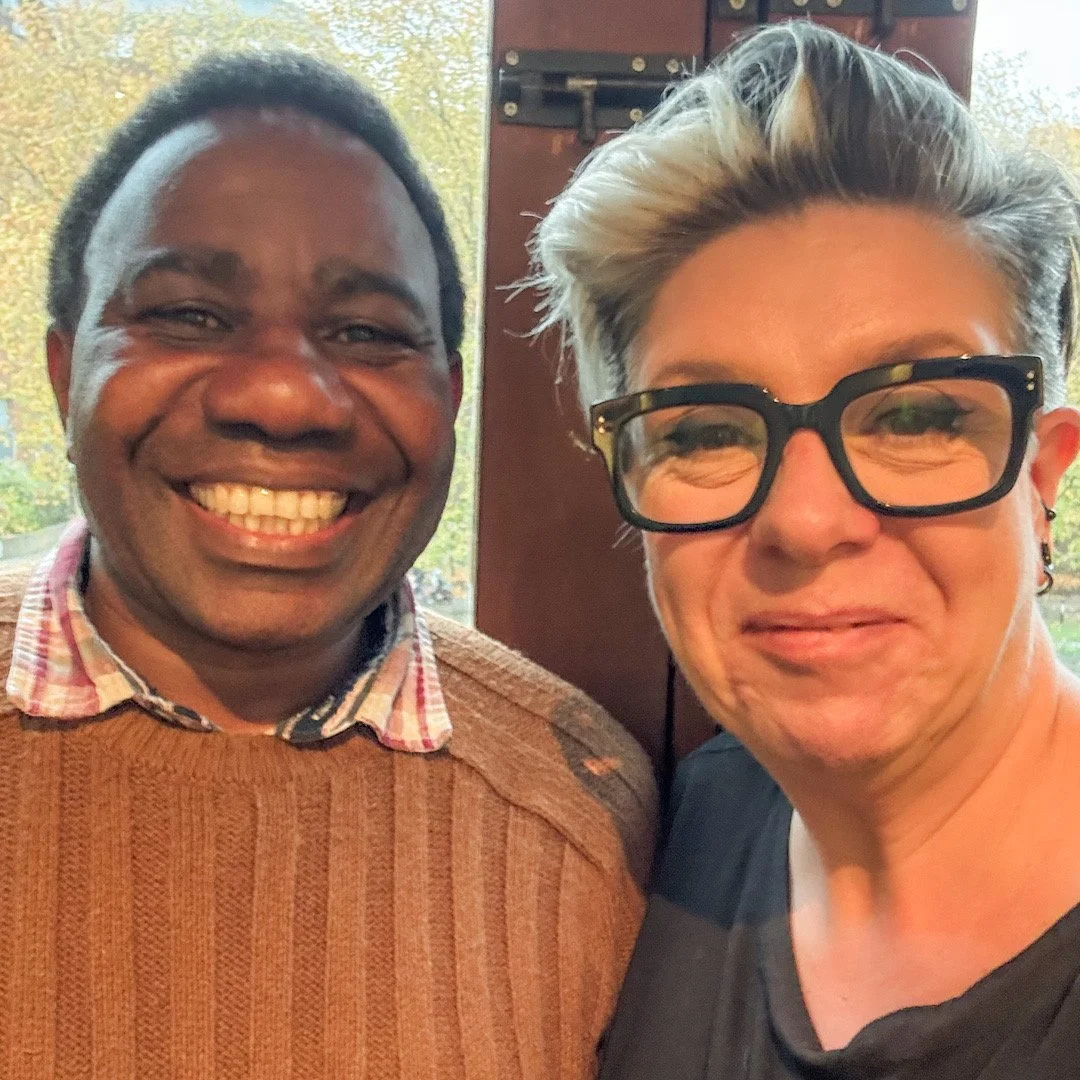
In November 2025, I spent a quiet and meaningful afternoon in Bristol with my good friend George Gumisiriza. Our conversation moved, as it often does, between research, lived experience, and the ways people carry loss. At the centre of that conversation was a small, unassuming object: a pair of socks.
George had previously shared the story of his cousin, who was HIV positive and later developed AIDS. As his health declined, he made the decision to return to Uganda so that, when he died, his body could be honoured according to family and cultural traditions. Before leaving, he gave George the socks. A practical gesture, on the surface, but one weighted with care, foresight, and love. They were intended to keep George warm through winter. They also became a lasting link between them.
For seven years, George kept the socks. Eventually, as textiles do, they began to fail. A small hole appeared. Rather than discarding them, I had agreeed to mend them for him.
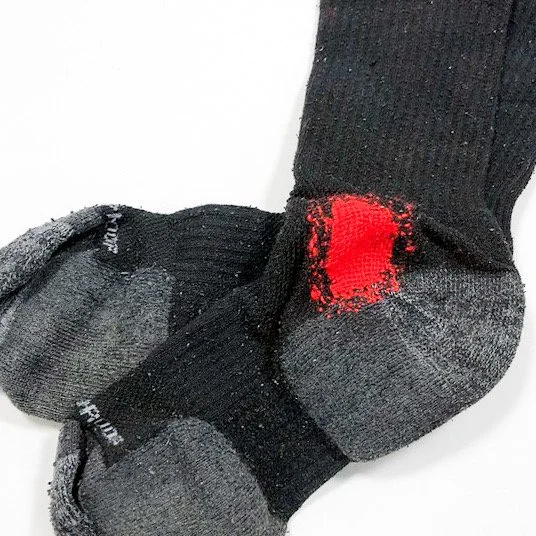
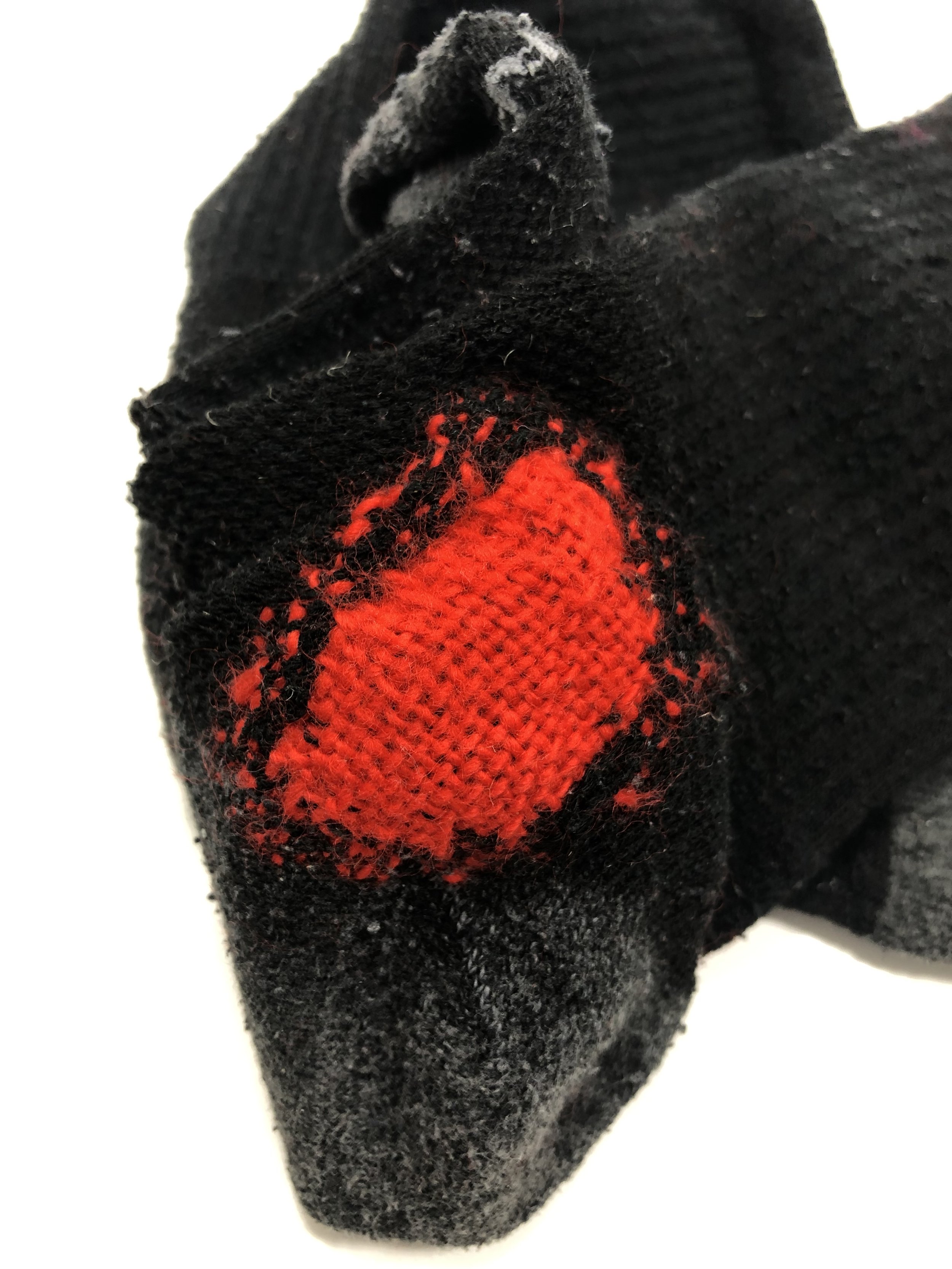
Repairing the socks was a quiet act. There was no attempt to hide the damage or erase what had happened to them. The repair acknowledged use, time, and wear. It also acknowledged loss. The act of stitching was slow and attentive, a form of care that extended the life of the object while respecting its history.
This moment sits at the heart of what I explore through Shifting States. Everyday objects often outlive the moments that gave them meaning. They absorb memory through proximity, touch, and repetition. Clothing, in particular, holds the shape of the body and the traces of daily life. When such objects are repaired rather than replaced, something subtle but important happens. Loss is not removed. It is integrated.
Mending is often framed as a practical skill, or as a sustainable alternative to consumption. Both are true. But it is also an emotional practice. To repair something is to decide that it is worth continuing with. It is an act of refusal against disposability, not only of things, but of experiences and relationships.
In this case, the socks remain wearable. They also remain what they always were: a gesture of care from one person to another. The repair does not overwrite that meaning. It reinforces it.
George’s wider research and advocacy around death, dying, and cultural understanding within hospice care offers important context for this story. His work speaks to the need for dignity, cultural sensitivity, and recognition of the relational aspects of care at the end of life. More about his work, and the story behind the socks, can be found through Pilgrims Hospices: https://www.pilgrimshospices.org/news/george-gumisiriza/
Small acts matter. Repair does not fix loss, but it can give it a place to rest. In mending, we stitch the past into the present, allowing what has been broken to continue, altered but intact.
