
Channelling Intuition: Trusting a Deeper Way of Knowing
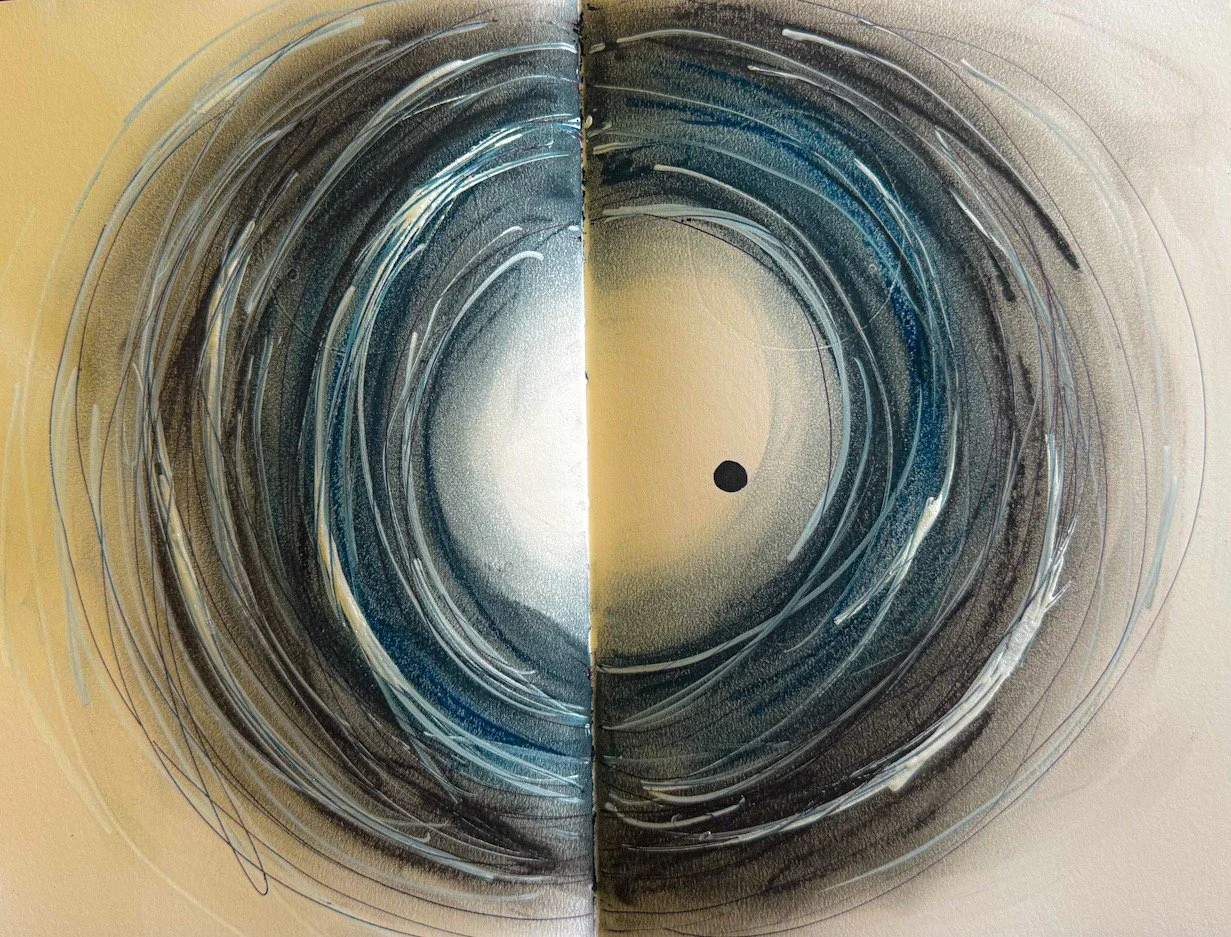
Intuition
In periods of uncertainty or transition, many people try to think their way forward. Analysis, comparison, and mental rehearsal are often treated as reliable tools for decision-making. Yet these same habits can create noise rather than clarity. Intuition offers an alternative mode of knowing, one that operates beneath habitual thought and beyond constant evaluation.
Intuition is not impulsive or vague. It is a quieter, more grounded intelligence that arises when attention settles. It is felt rather than argued. Learning to channel intuition is less about acquiring a new skill and more about unlearning the reflex to overthink.
Intuition versus Thought
Thought is reactive by nature. It draws heavily on memory, fear, and prediction. Intuition, by contrast, emerges from presence. It is not concerned with defending an identity or proving a point. It simply recognises what is aligned in the moment.
Spiritual teacher Eckhart Tolle makes a clear distinction between these two modes of awareness. He writes:
“Intuition is intelligence arising from stillness.”
This statement reframes intuition not as something mystical, but as something practical and accessible. Stillness is the condition that allows intuitive insight to surface. When the mind becomes quieter, a deeper form of clarity becomes available.
Tolle also cautions against unquestioned identification with thought:
“Not all thinking is useful. Much of it is repetitive and pointless.”
From this perspective, intuition is not in competition with thought. It simply operates at a different depth. Thought has its place, but intuition often knows first.
Believing Intuition Over Mental Narratives
One of the main obstacles to intuition is the tendency to distrust it. Many people dismiss intuitive signals because they cannot immediately justify them. The mind asks for evidence, reassurance, or consensus. Intuition rarely provides these.
Tolle addresses this tension directly when he states:
“The primary cause of unhappiness is never the situation, but your thoughts about it.”
If thoughts are often conditioned responses, intuition can be understood as a response that is less conditioned and more attuned to reality as it is. Trusting intuition means recognising when thinking is adding unnecessary layers of anxiety or control.
This does not require rejecting rationality. It requires discernment. Intuition tends to be calm, neutral, and precise. It does not shout. It does not argue. It simply indicates.
Intuition as a Deeper Sense of Knowing
Intuition is frequently described as a feeling, but it is more accurate to describe it as a form of embodied knowing. It can show up as a sense of rightness, a pause, or a subtle pull toward or away from something. It is often recognised only in hindsight, when a decision proves to be quietly correct.
Tolle frames this knowing as something that becomes clearer when attention moves out of compulsive thinking and into presence:
“You find God the moment you realize that you don’t need to seek God.”
Substitute the word “intuition” for “God,” and the principle still applies. Intuition is not found by searching harder. It is recognised when the search relaxes.
Practising Intuitive Attention
Channelling intuition is a practice of attention rather than effort. Simple actions can support this process:
Creating moments of stillness, even briefly, before making decisions
Engaging in material or physical processes that slow the mind, such as making, walking, or repetitive handwork
Noticing the first, quiet response to a situation before analysing it
Observing when thought becomes anxious or circular and stepping back from it
These practices do not guarantee certainty. They cultivate sensitivity. Over time, intuition becomes easier to recognise and trust.
Why Intuition Matters
In creative work, caregiving, leadership, and personal change, intuition often perceives what logic cannot yet articulate. It senses timing, readiness, and alignment. When ignored, people often report a sense of friction or fatigue. When followed, there is usually less drama, even if the path is challenging.
Channelling intuition is not about abandoning responsibility. It is about grounding action in a deeper register of awareness. As Tolle reminds us, stillness is not passive. It is the source from which clarity arises.
In a culture that rewards speed and certainty, intuition asks for patience and listening. Its value lies precisely in its subtlety.
