
Oak Gall Ink Making on New Year’s Eve
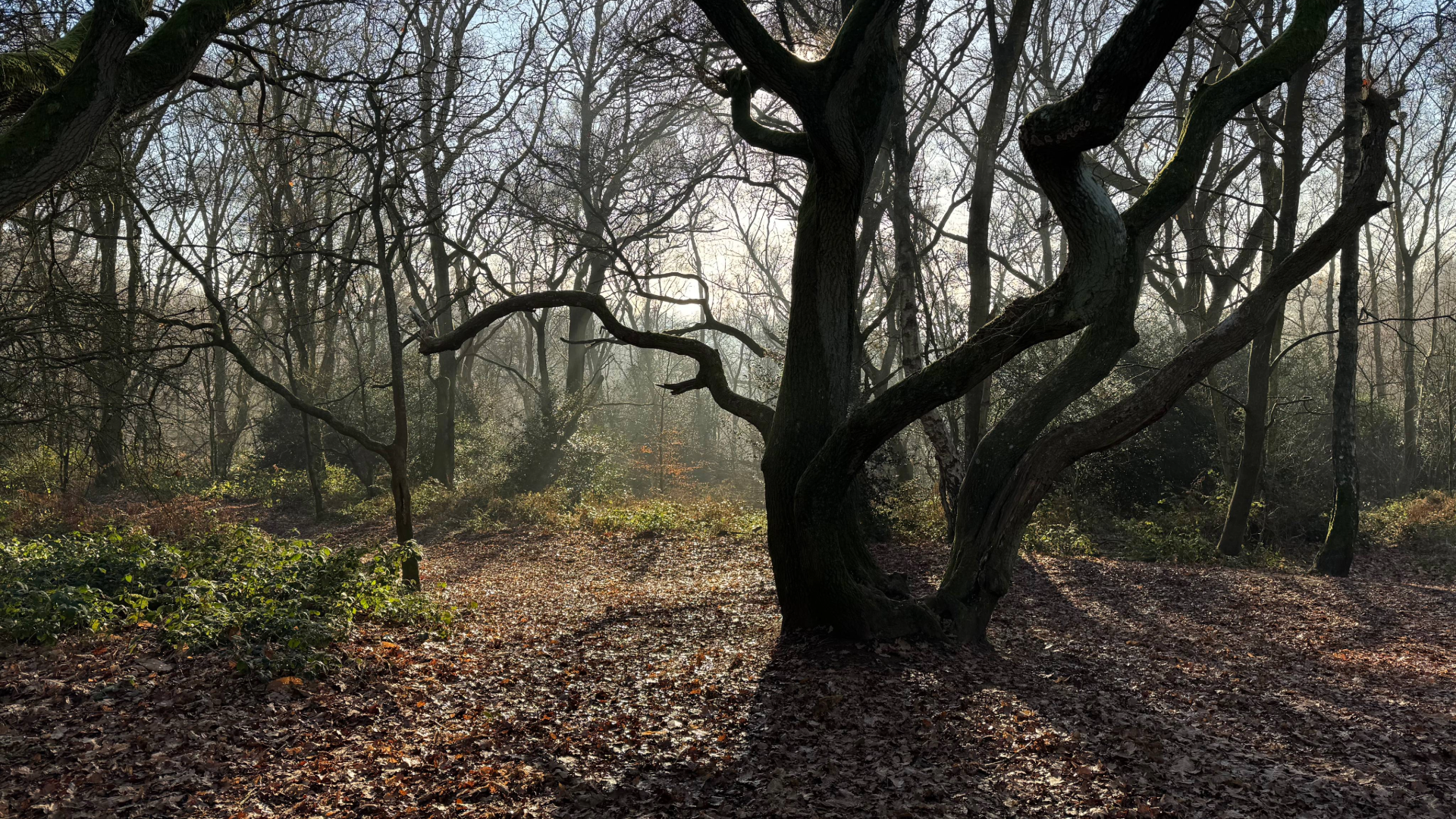
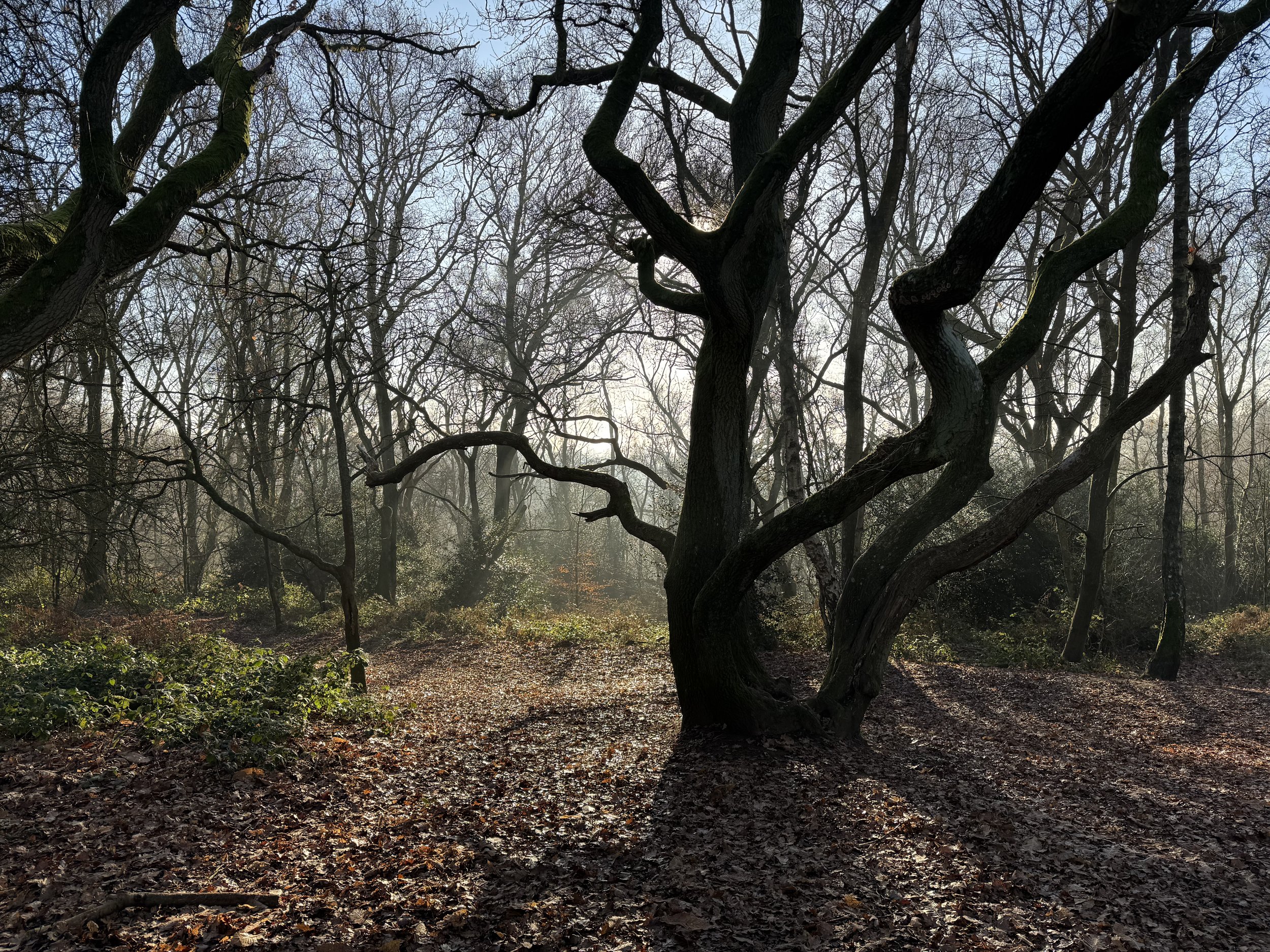
The workshop took place on a clear, crisp New Year’s Eve morning. Frost covered the ground and the cold air gave the day a calm, focused feel. It was a simple and fitting way to mark the end of the year and create space to reflect before moving into the next.
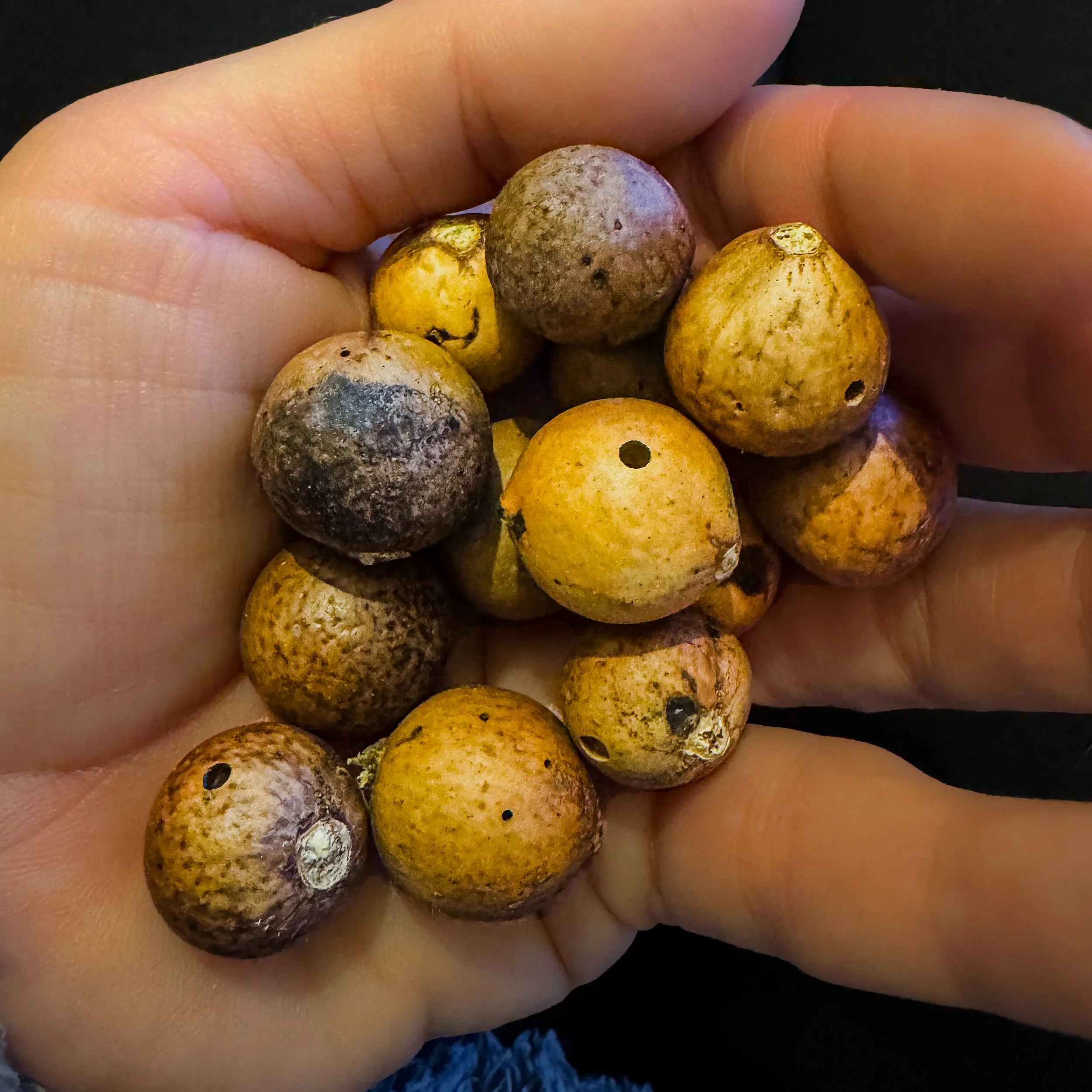
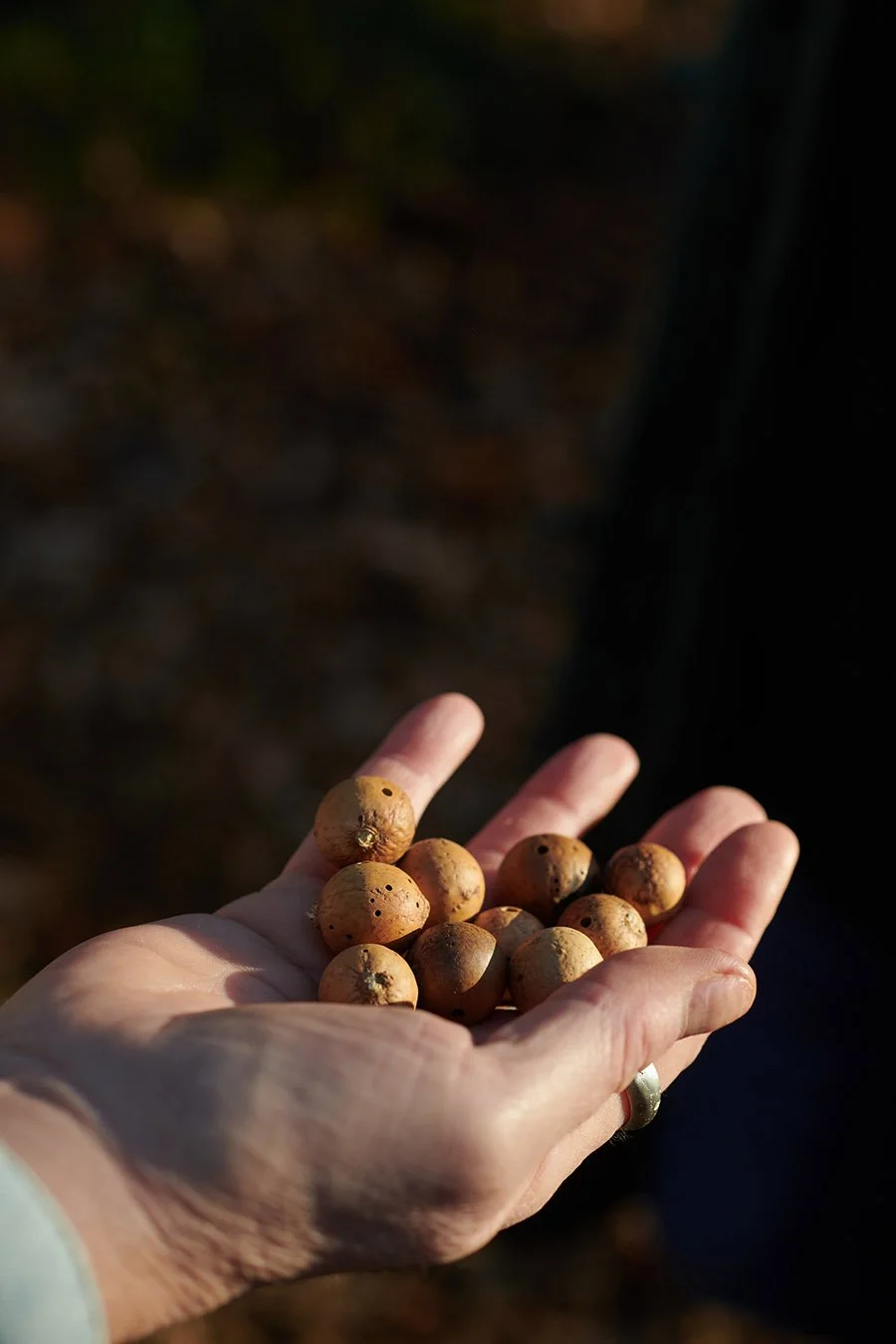
We began by talking through the history of oak gall ink and its long use in writing and record keeping. I showed the group oak galls and explained how they form on oak trees, and why they are so rich in tannins. Being able to handle the galls helped everyone connect the process to the natural source of the ink.
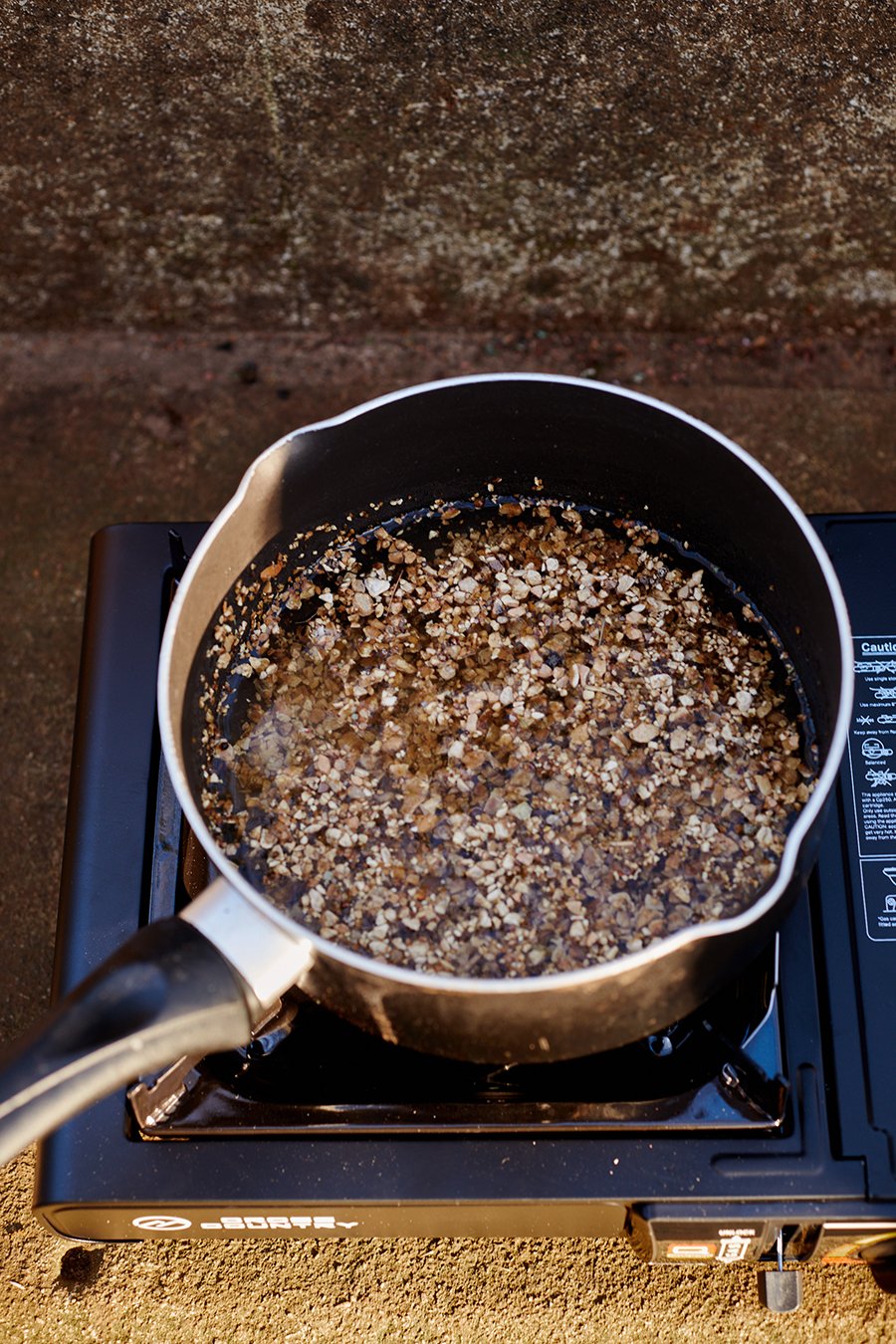
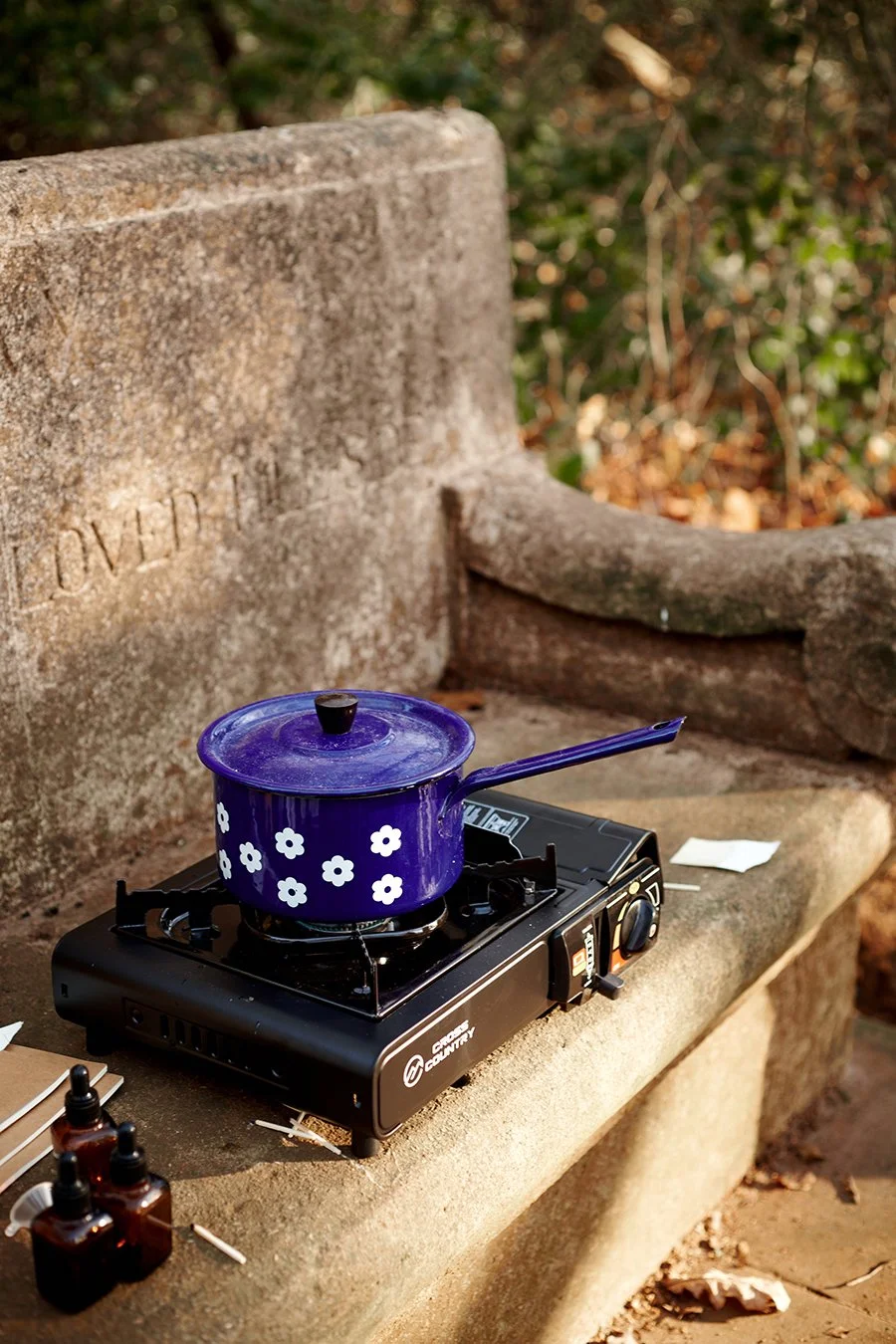
We then started making the ink by adding crushed oak galls to water and heating the mixture on a portable gas stove. While it warmed, we talked through the stages of the process and discussed how making ink can be used as a way to set intentions, especially at a turning point like the end of a year.
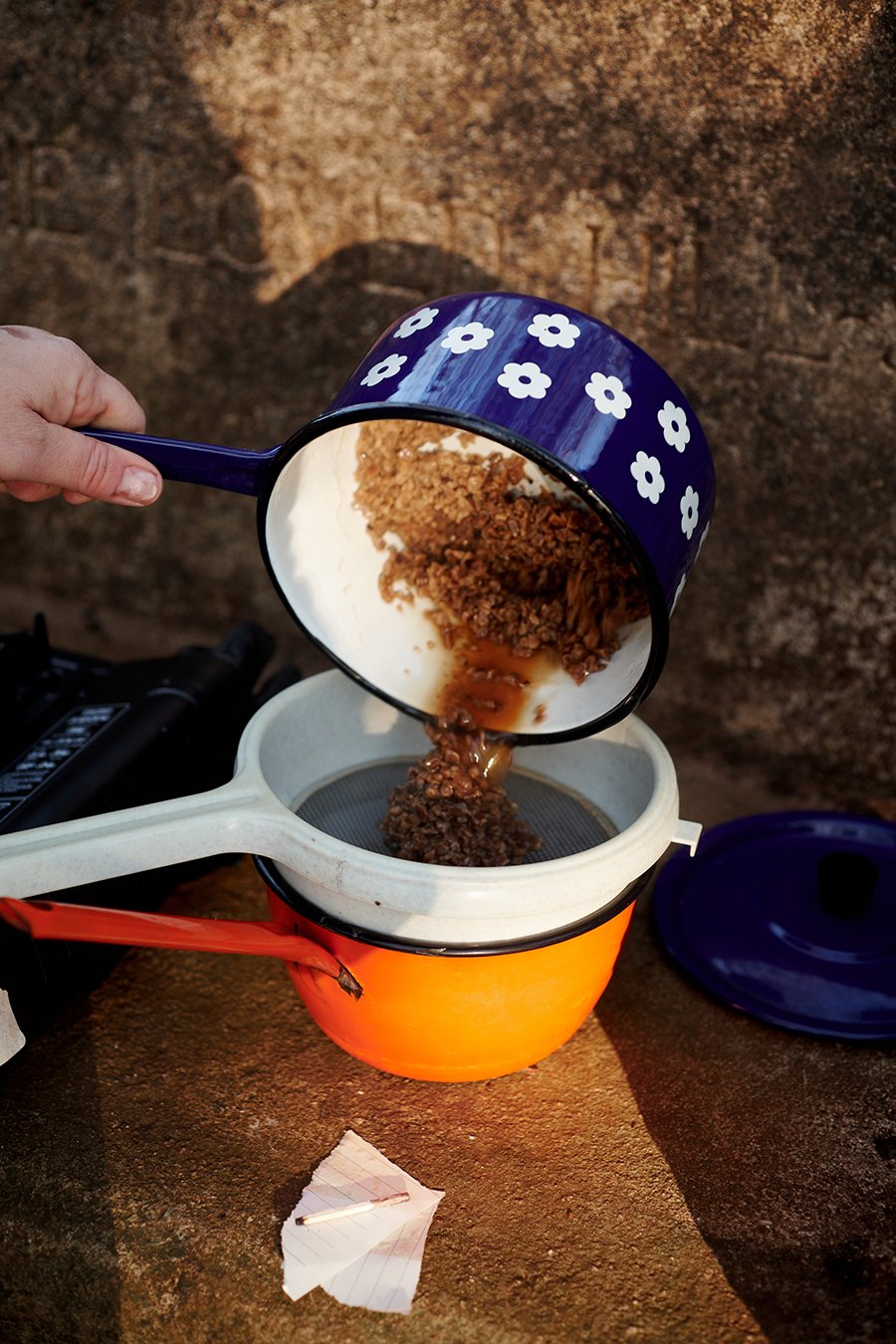
After about forty five minutes, I tested the liquid by dipping paper directly into the pot. At this stage the colour was a warm brown. We strained the liquid to remove most of the oak gall material, preparing it for the next step.
Ferrous sulphate, the chemical compound of rust, was then added to the pot. The change was immediate, with the liquid shifting from brown to a deep purple black. This moment always draws attention, as the transformation is so clear and quick to see.
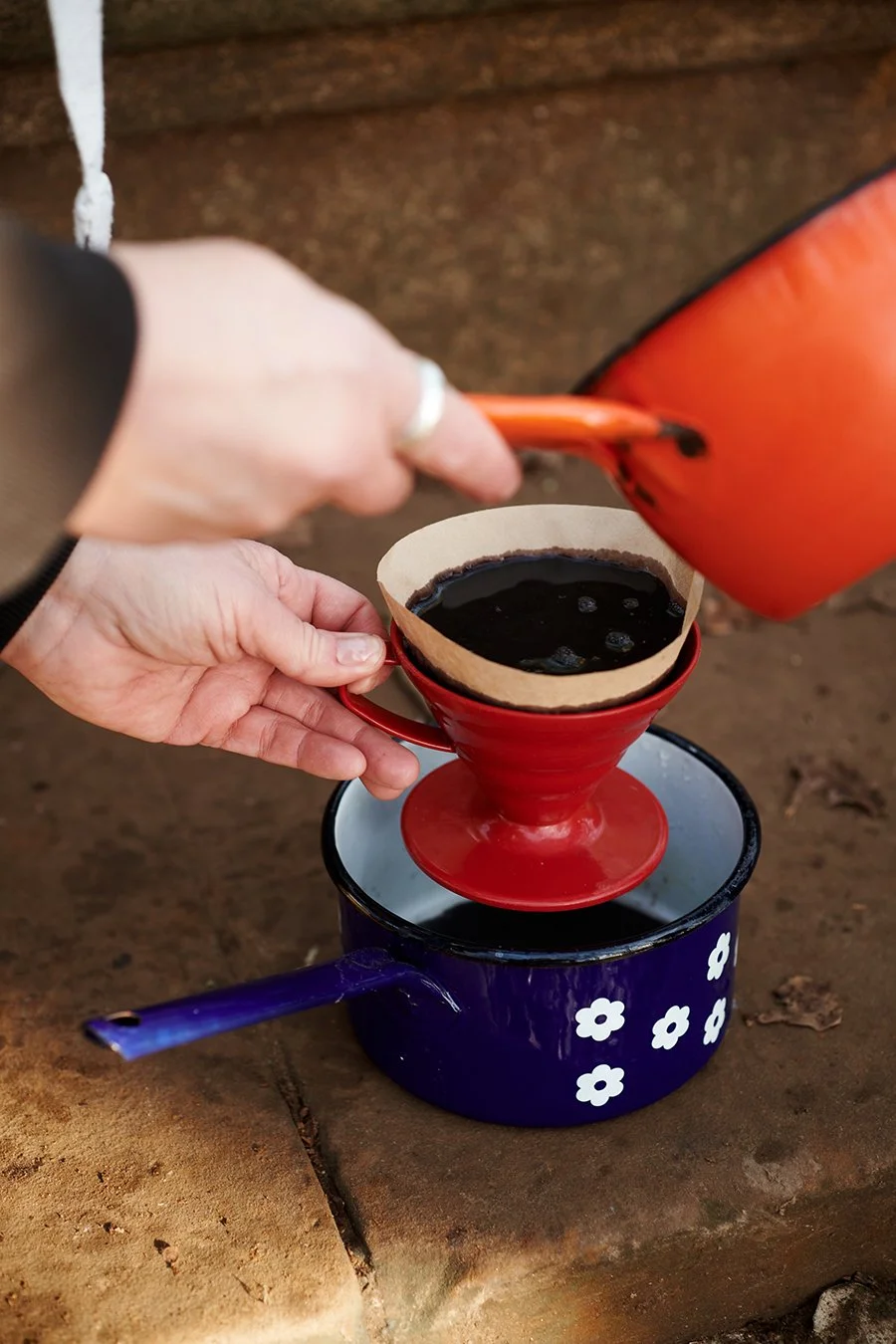
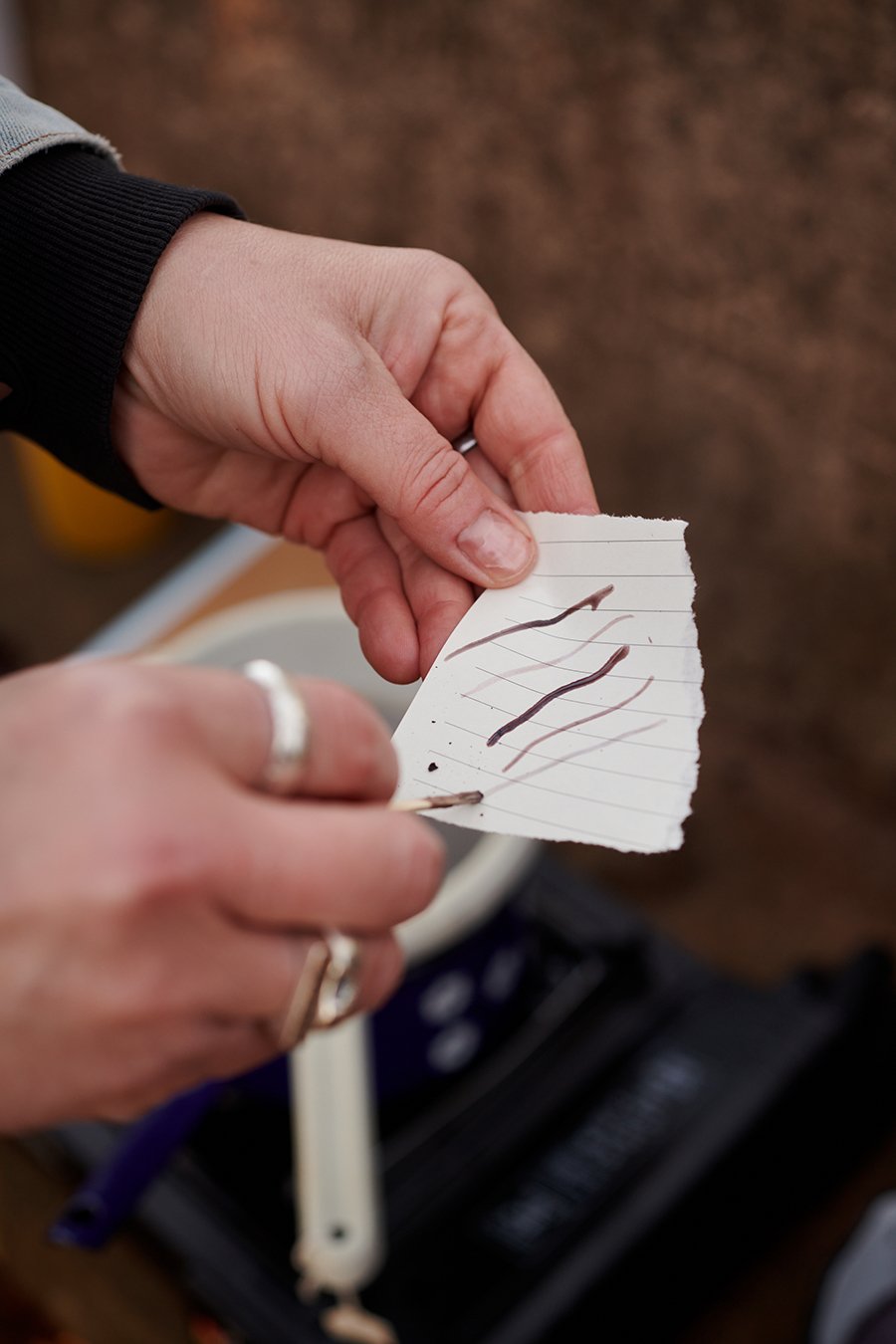
The ink was then filtered through coffee filters to remove any remaining particles. Gum arabic was added to improve the flow and finish of the ink. Once complete, we tested it by dipping sticks into the ink and drawing onto paper. Over time, the marks darkened further as the ink oxidised, moving from purple to black.
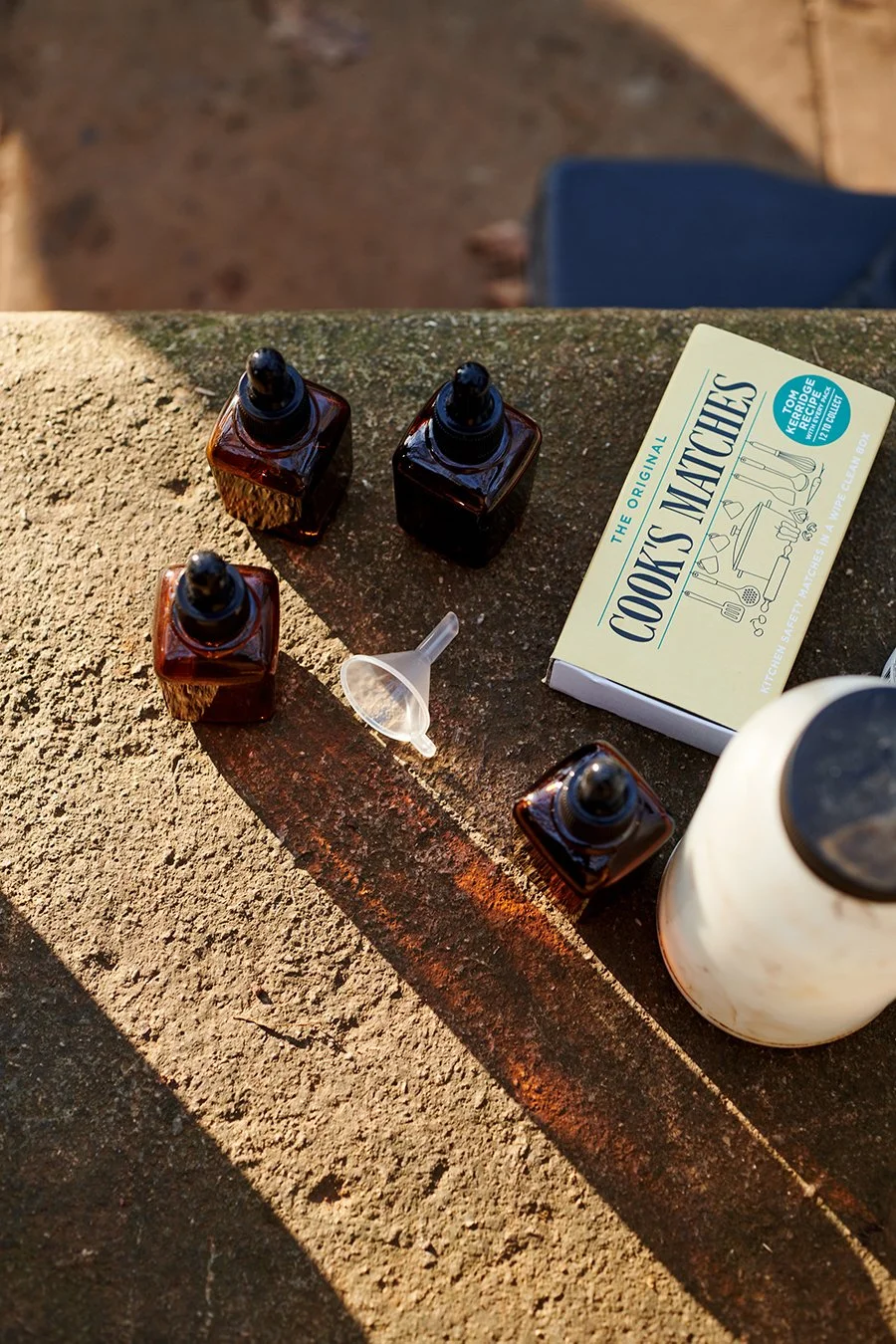
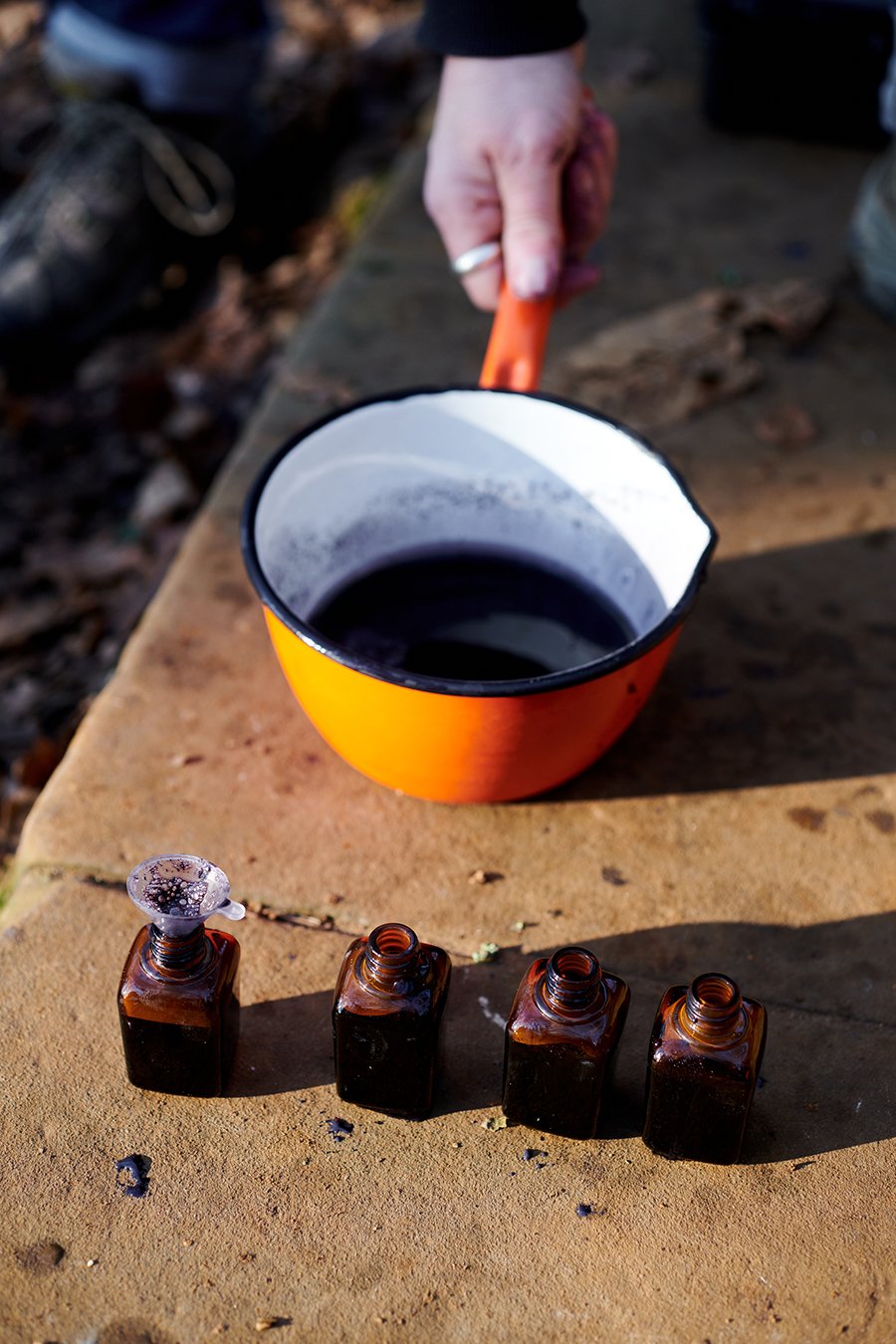
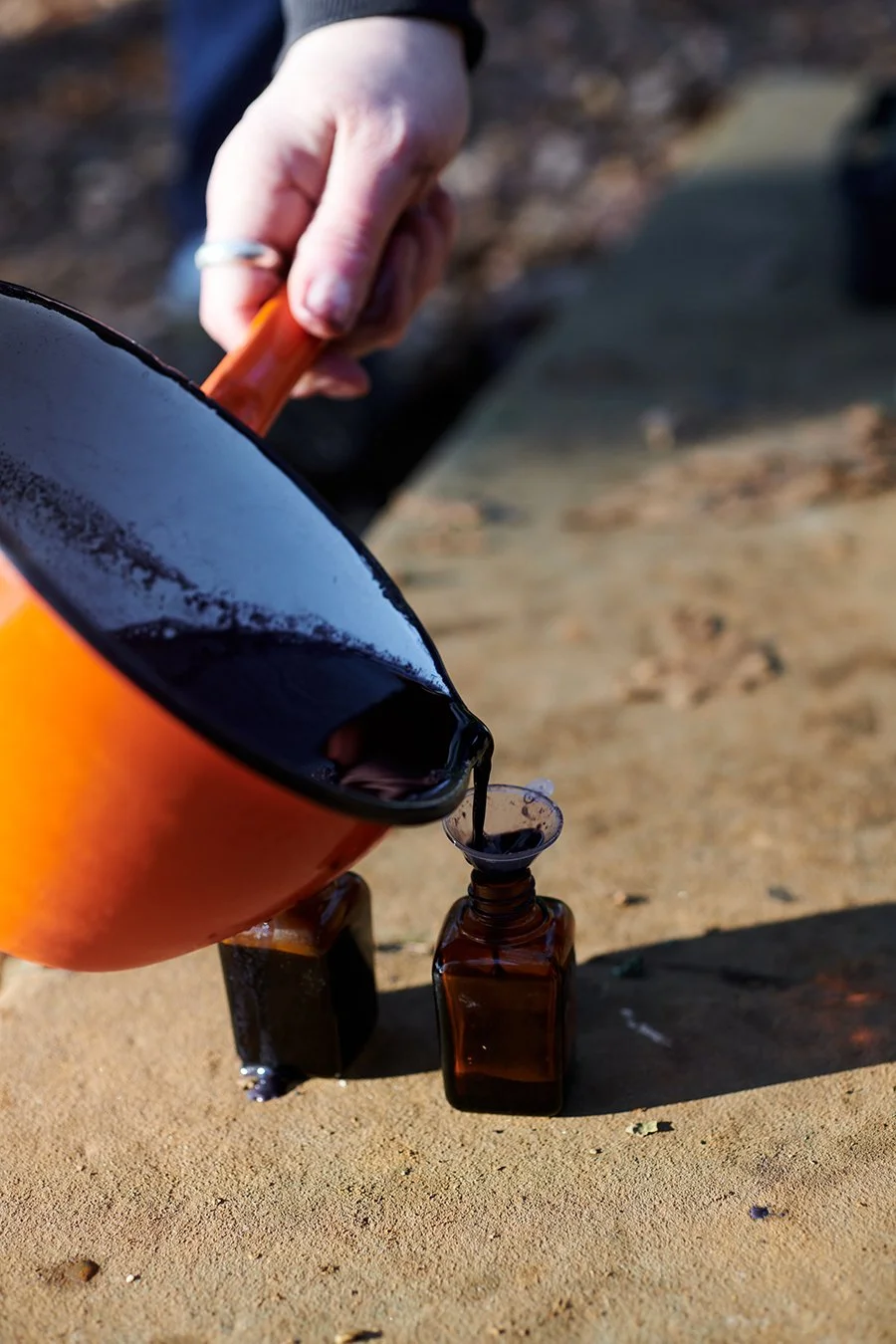
Finally, I bottled the ink into small glass bottles and gave one to each participant, along with a notebook so they could continue testing and using their ink at home. Everyone was pleased with the results and interested to see how the ink continued to develop.
The finished ink feels so suited to writing intentions and reflections for the year ahead. Made slowly and with care, it offers a practical and meaningful way to mark personal changes and new beginnings throughout 2026.
Photos by Polly Wreford
