
Creative Workshops for Renewal
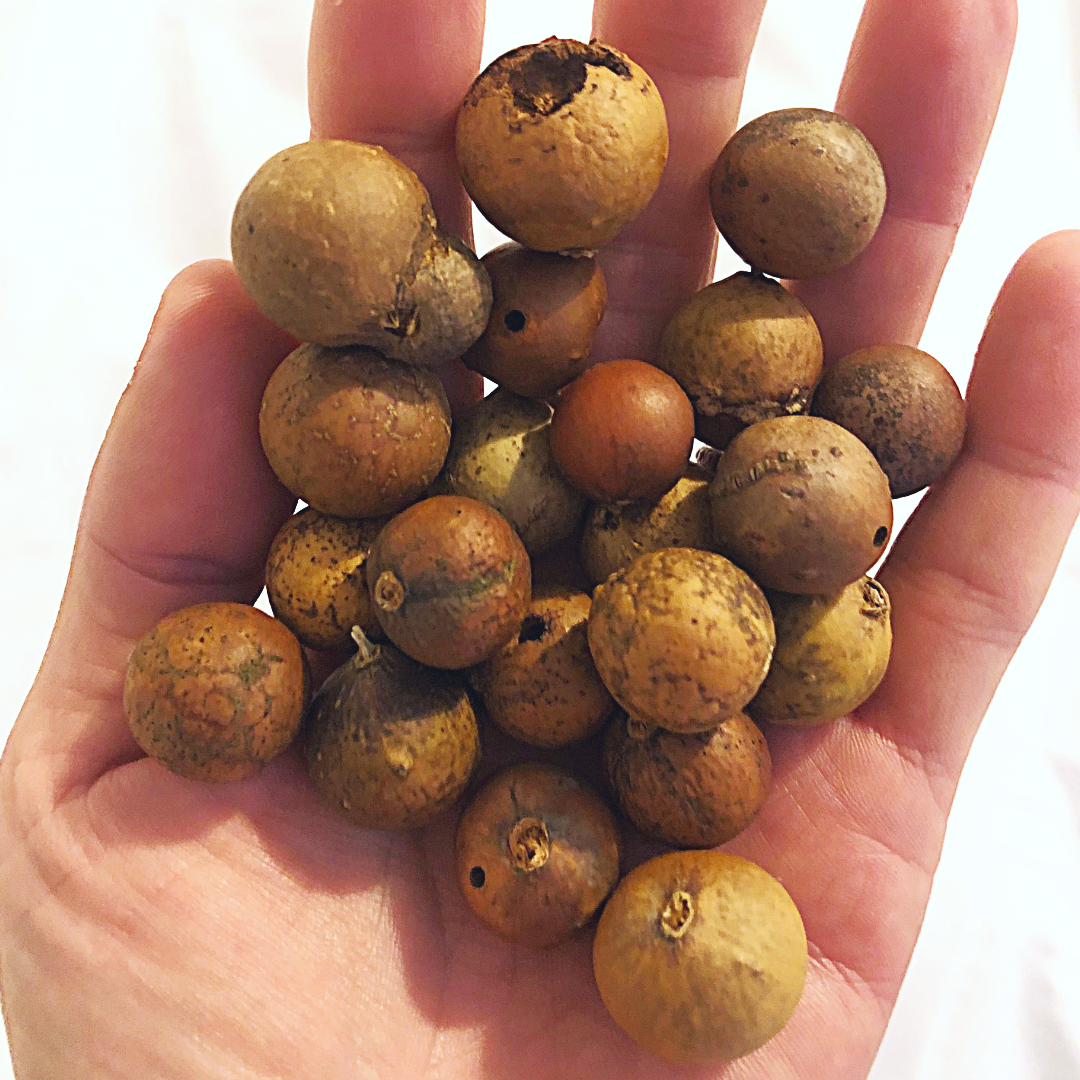
More workshops coming soon…
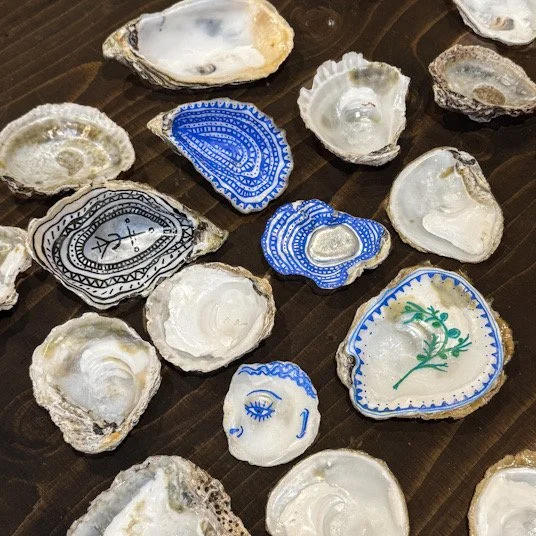
Mindful decorating of the inside of shells - doodling helps calm the mind and the oyster shell is a symbol of inner beauty.
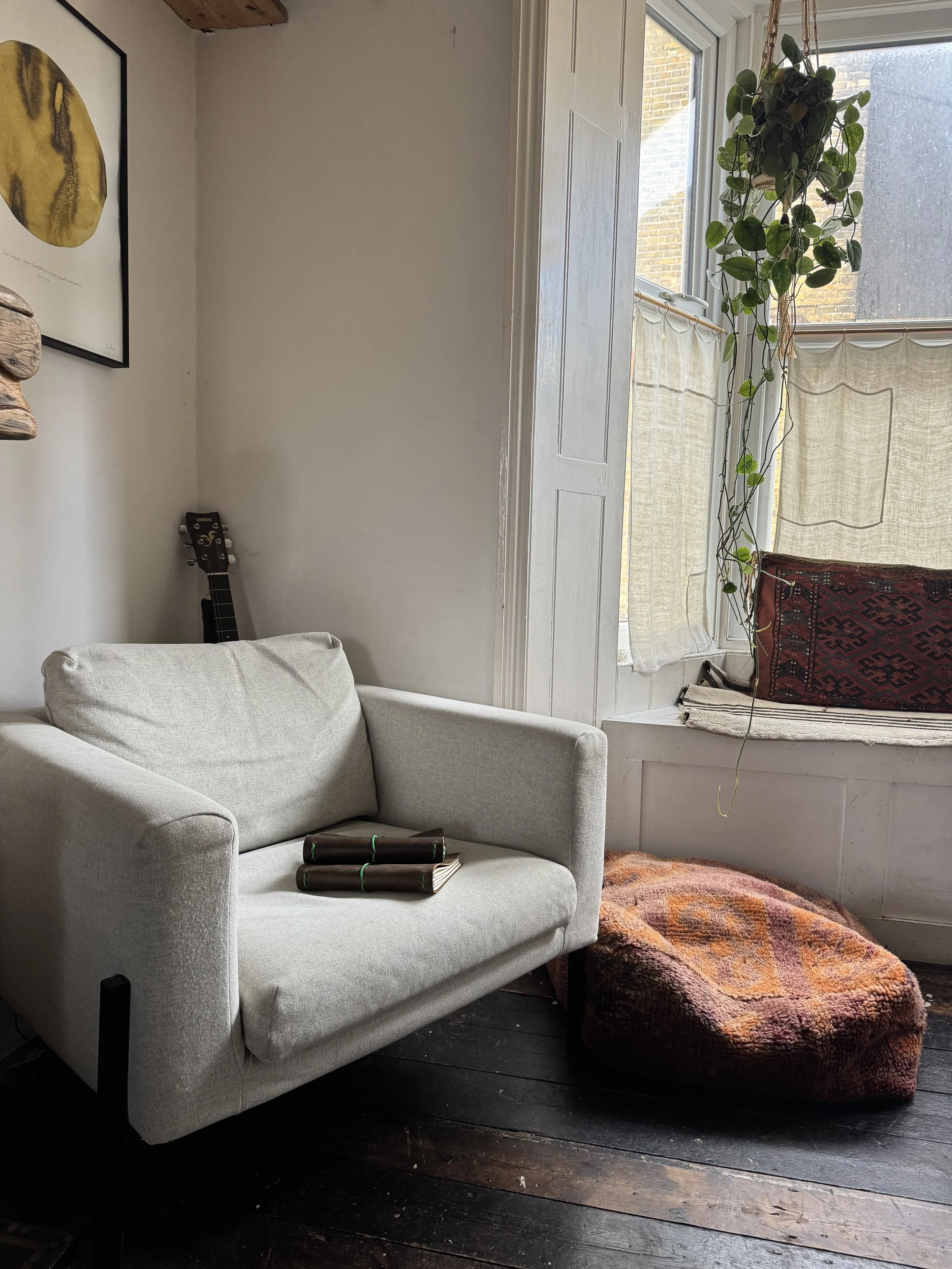
Daily journalling is a useful ritual and helps keep a record of how far we've come.
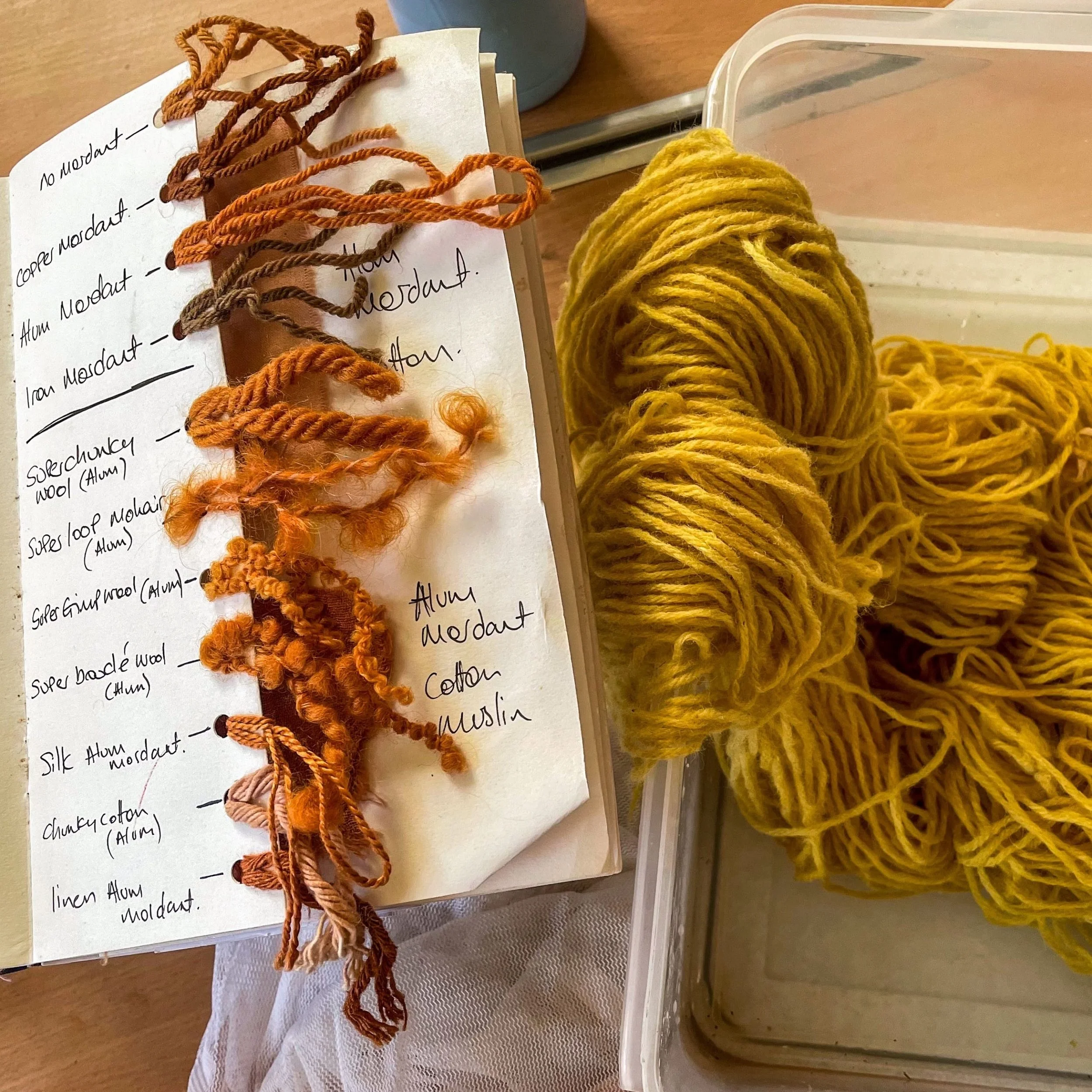
Natural dyeing imbues objects with symbolic colour.
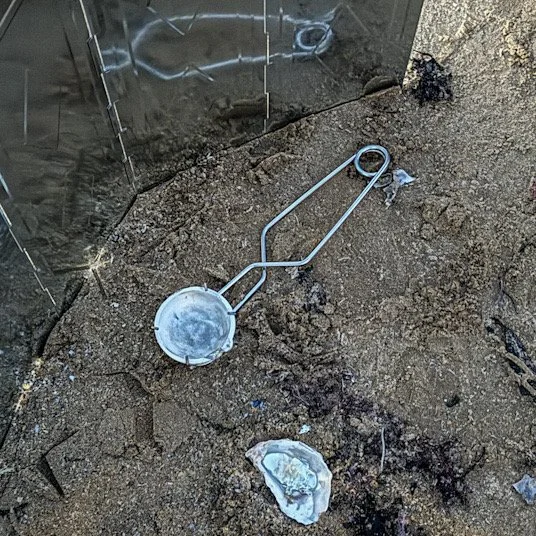
Pewter casting on the beach - art making within the environment
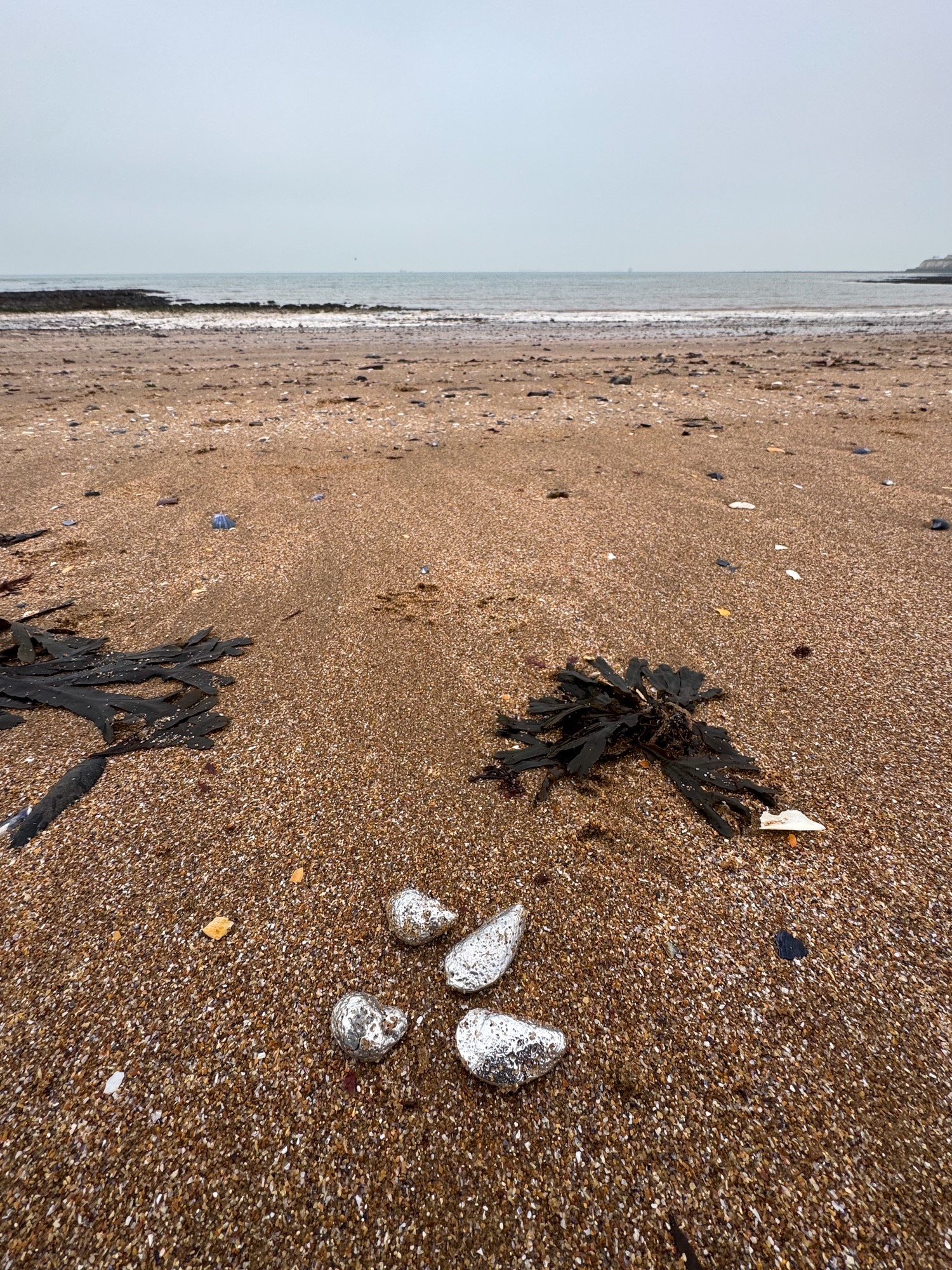
The name Thanet emerges from a landscape of shifting meanings, linguistic, mythic, and symbolic, mirroring the island’s own history as a place defined by transition. One of the most widely cited interpretations draws on Celtic roots: teine (fire) combined with arth or ard (height), evoking Thanet as the “bright island” or “fire height.” Fire, in this context, is more than illumination. It is ritual. It is the controlled burn that marks thresholds, the element that transforms materials, purifies intentions, and guides people across moments of change. In this reading, Thanet becomes a beacon, an elevated place where the ancient relationship between women, ritual practice, and elemental force would have been deeply felt.
Other Celtic derivations suggest tann- or tanno-“oak” linking the island to deep woodland roots. Oak is a tree of endurance, continuity, and creative resourcefulness. Its bark and galls were once ground for ink and dye, materials used to record memory and story, objects of meaning held close across generations. When seen through this lens, Thanet becomes a site where creativity, ritual, and material knowledge converge: a landscape shaped by the interplay of fire and wood, transformation and endurance.
There is a shadowed dimension too. A later folk etymology connects Thanet to Thanatos, the Greek personification of death. This echoes the island’s Bronze Age burial mounds and the old legend that its soil could kill serpents. Yet soil, even in its associations with death, is also the substance of growth. It receives what has ended, breaks it down, and becomes the ground from which new life emerges. In this way, Thanet carries the dual force of endings and beginnings, a territory that holds both decay and regeneration.
Across centuries, Thanet has been named Tanatus, Tanatos insula, Tenet, each form a small transformation, each a reminder that meaning itself is fluid. Whether interpreted as fire, oak, death, or something more ancient still, the name speaks to passage, threshold, and renewal. It is a landscape that embodies the very themes at the heart of transitions: a place where identities shift, rituals take root, and transformation becomes not only possible but inevitable.